Introduction
Neumorphism, an emerging trend in UI Design, embodies a bold fusion between the tactile aspect of skeuomorphism and digital elements. This approach stands out through the subtle use of shadows to create a sense of relief on interface elements, thereby offering a unique visual and tactile experience. In this section, we will dive into the details of neumorphism, exploring its core principles and its applications.
Breaking down neumorphism: definition, implementation and reflection
AN IN-DEPTH DEFINITION OF THE TREND
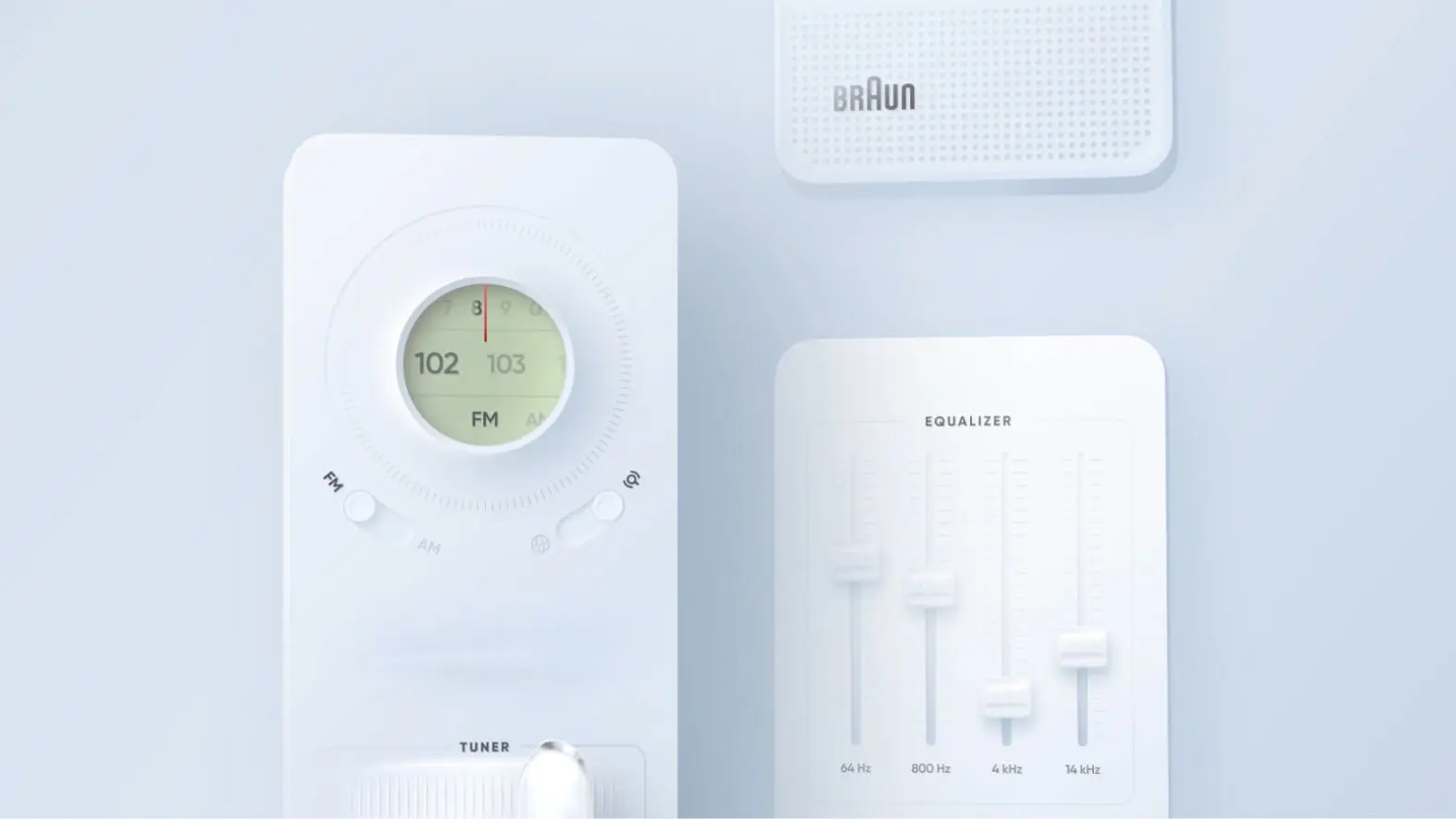
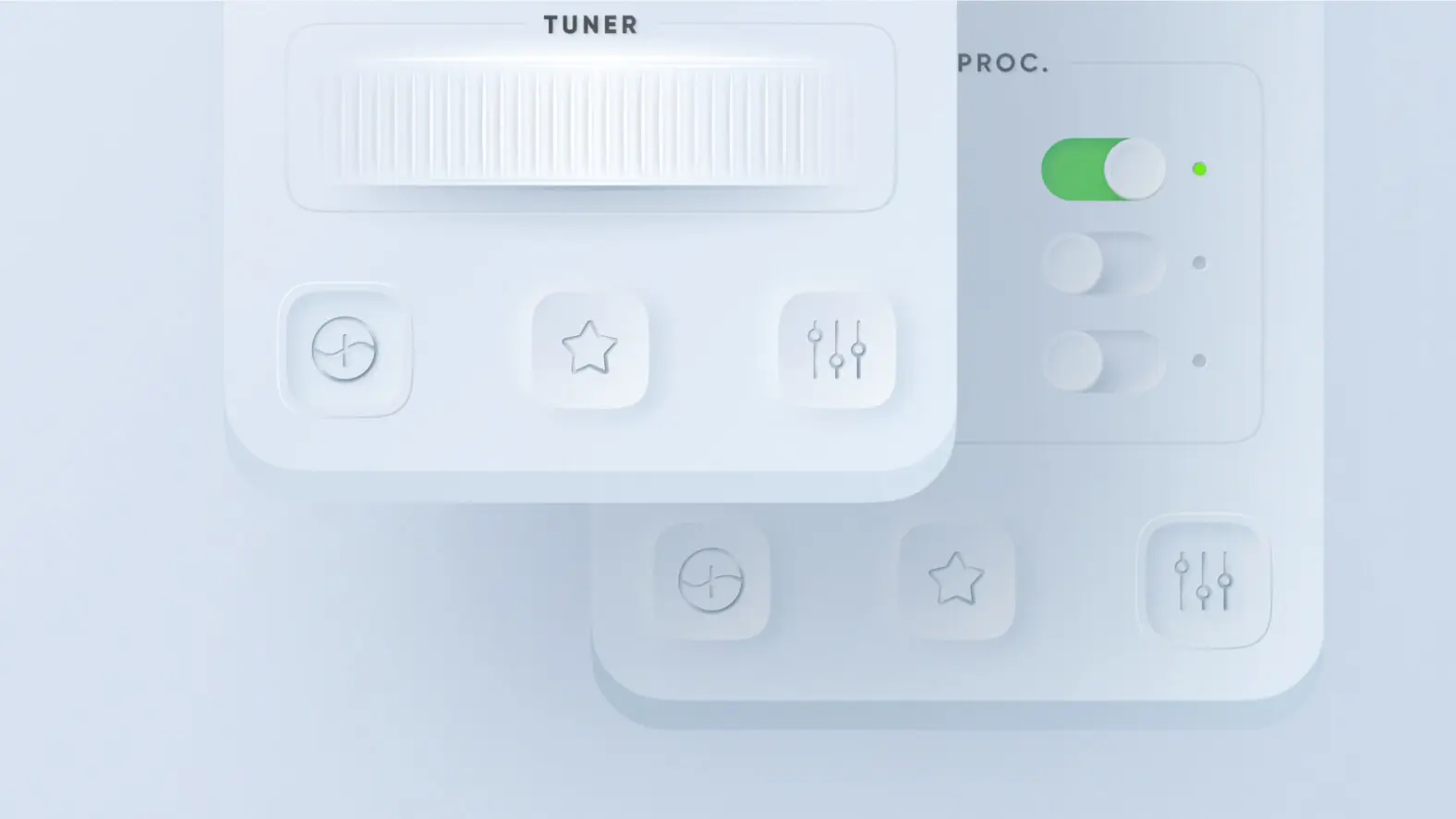
Neumorphism aims to create a sense of depth by using soft shadows and visual elements that appear to sink into the interface. Unlike traditional skeuomorphism, which seeks to realistically imitate real-world objects, neumorphism focuses more on the tactile and visual dimension, seeking to reproduce the appearance of soft, malleable materials.
KEY POINTS FOR IMPLEMENTING NEUMORPHISM
To successfully implement neumorphism, it is essential to master the balance between subtle shadows and the clarity of the interface. Shadows must be used strategically to create a realistic relief effect without sacrificing readability and usability. A judicious use of color and typography is also necessary to reinforce the visual dimension of neumorphism.
THE PROS AND CONS OF THIS APPROACH
Neumorphism offers significant advantages in terms of visual appeal and user engagement. Neumorphic interfaces tend to appear more interactive and captivating, thereby creating an immersive experience. However, this approach can also pose challenges in terms of readability and accessibility. Subtle shadows can make certain elements less distinct, which can be problematic for users with visual limitations.
COMPARISON WITH OTHER DESIGN STYLES
By comparing neumorphism to other design styles, such as flat design, we can better understand the differences and similarities. While flat design favors simplicity and the absence of shadows to create clean interfaces, neumorphism explores the tactile and visual dimension by using shadows to simulate depth. Each of these styles has its advantages and disadvantages, and the choice between them often depends on the specific goals of the project and the target audience.
Neumorphism, as an emerging trend, continues to evolve and to inspire creative exploration in the field of user interface design. It offers a fascinating perspective on how digital elements can be made more tangible and engaging, while raising important questions about functionality and accessibility.
Conclusion
In short, neumorphism is an emerging trend in UI Design that seeks to merge the tactile aspect of skeuomorphism with digital elements. This approach focuses on the use of subtle shadows to create a sense of relief within the interface. Although it offers visual appeal and increased immersion, neumorphism can also pose readability and accessibility challenges. Compared to other design styles, it stands out through its distinct tactile and visual dimension. As neumorphism continues to evolve, it inspires creative exploration and raises essential questions about how to balance aesthetics and functionality in the field of user interface design.