Introduction
In the dynamic world of web design, innovation is often the result of collaboration between complementary tools. One alliance that stands out in this quest for creativity is the one formed by Webflow and Spline. Together, these two platforms offer a unique fusion between fluid 2D design and immersive 3D modeling, paving the way for radically new and captivating web experiences.
In this article, we explore how this synergy is revolutionizing the web design landscape, enabling creators to go beyond traditional boundaries to shape online experiences that captivate and delight users.
A Bridge Between 2D and 3D Design
THE CHALLENGE OF TRADITIONAL 2D
Traditionally, web design has been largely focused on 2D, with sites and interfaces built primarily using static graphics and text. However, with the evolution of technologies and the rise of augmented and virtual reality, it has become imperative to explore new dimensions to deliver more immersive and engaging user experiences.
THE ADVENT OF THE 3D DIMENSION
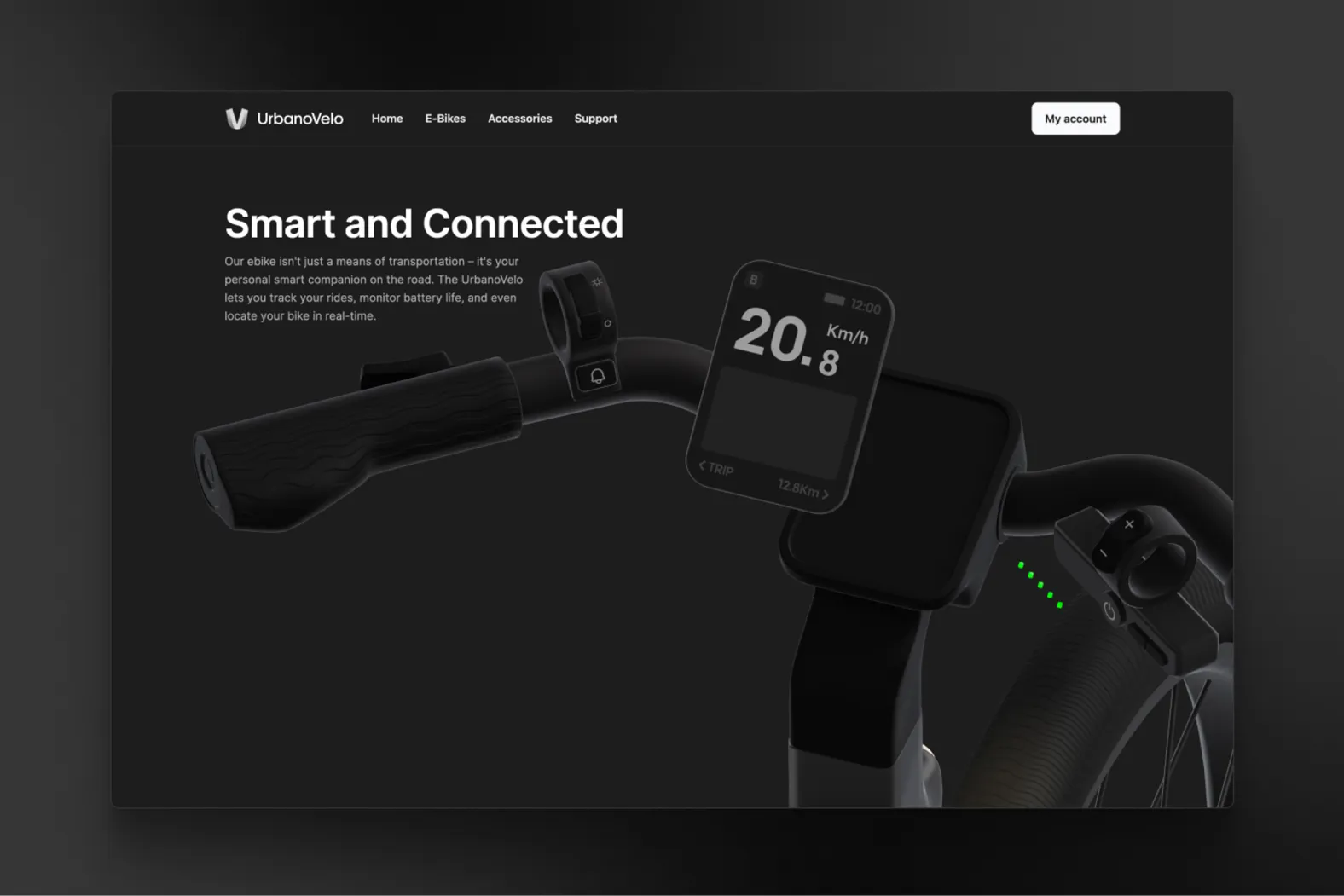
This is where Spline comes in. This 3D modeling platform enables designers to create shapes, objects, and environments in three dimensions in an intuitive way. Its user-friendly interface and advanced features open up new perspectives for web design, offering the possibility of adding dynamic three-dimensional elements to projects once limited to the 2D plane.
Seamless Integration with Webflow
SPLINE'S FEATURES
Spline doesn't just enable the creation of 3D models, it also offers advanced animation and customization features, allowing designers to bring their creations to life in a fluid and interactive way.
THE BENEFITS OF INTEGRATION
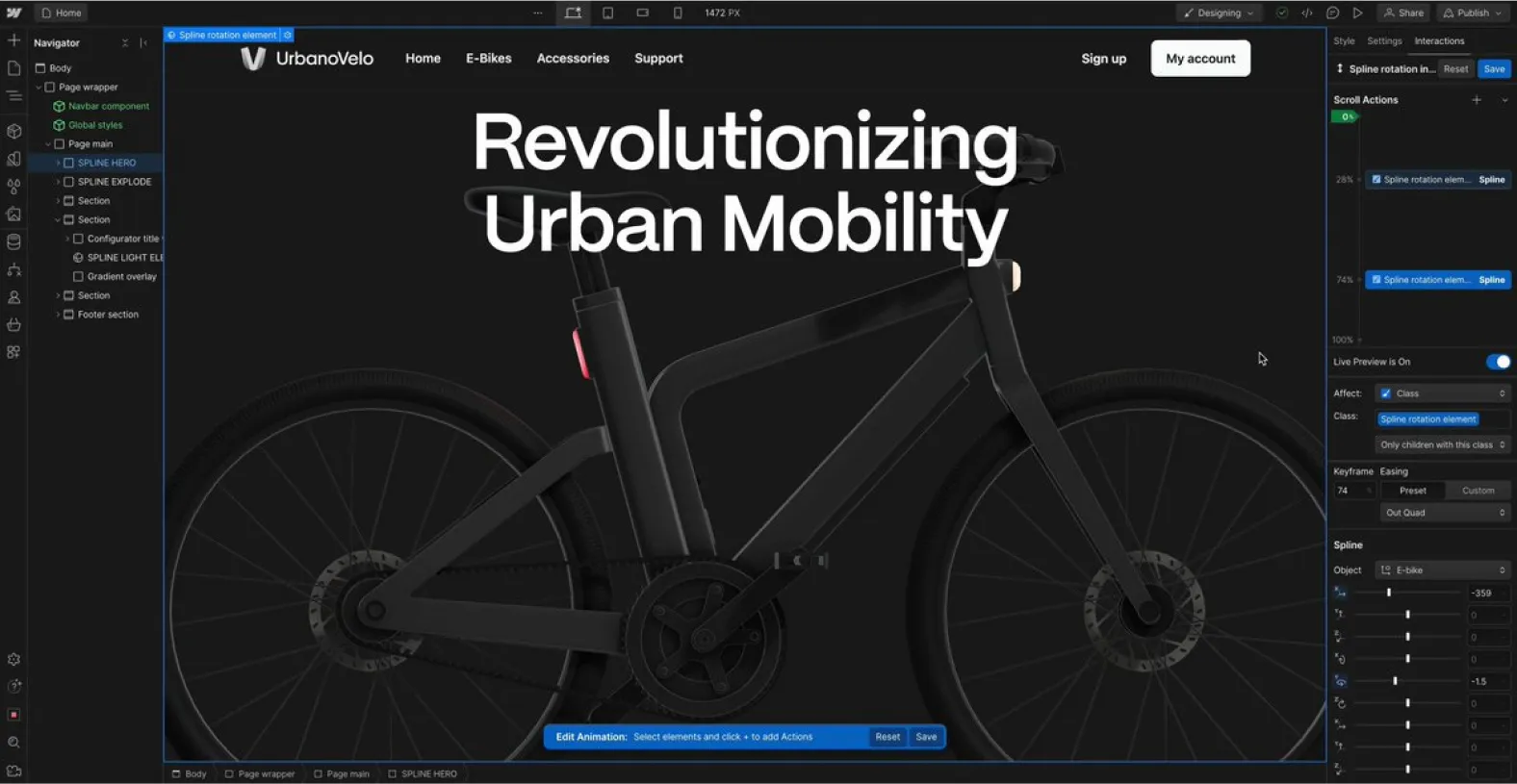
The integration between Spline and Webflow opens up new possibilities for designers. Thanks to features such as the direct import of 3D models from Spline into Webflow, it becomes possible to incorporate interactive 3D elements into websites without sacrificing ease of design or performance.
CONTROL AND ANIMATION IN THE WEBFLOW EDITOR
In addition, this integration allows users to control and animate their 3D models directly in the Webflow editor. This means that designers can create immersive and dynamic web experiences without needing advanced coding skills, while retaining full control over design and interaction.
Limitless Creativity
EXPLORING THE POSSIBILITIES
With the Webflow-Spline combo, the only limits are those of the creators' imagination. Whether designing interactive websites, online portfolios, product presentations, or brand experiences, this combination offers an infinite palette of creative options.
INCREASED ENGAGEMENT
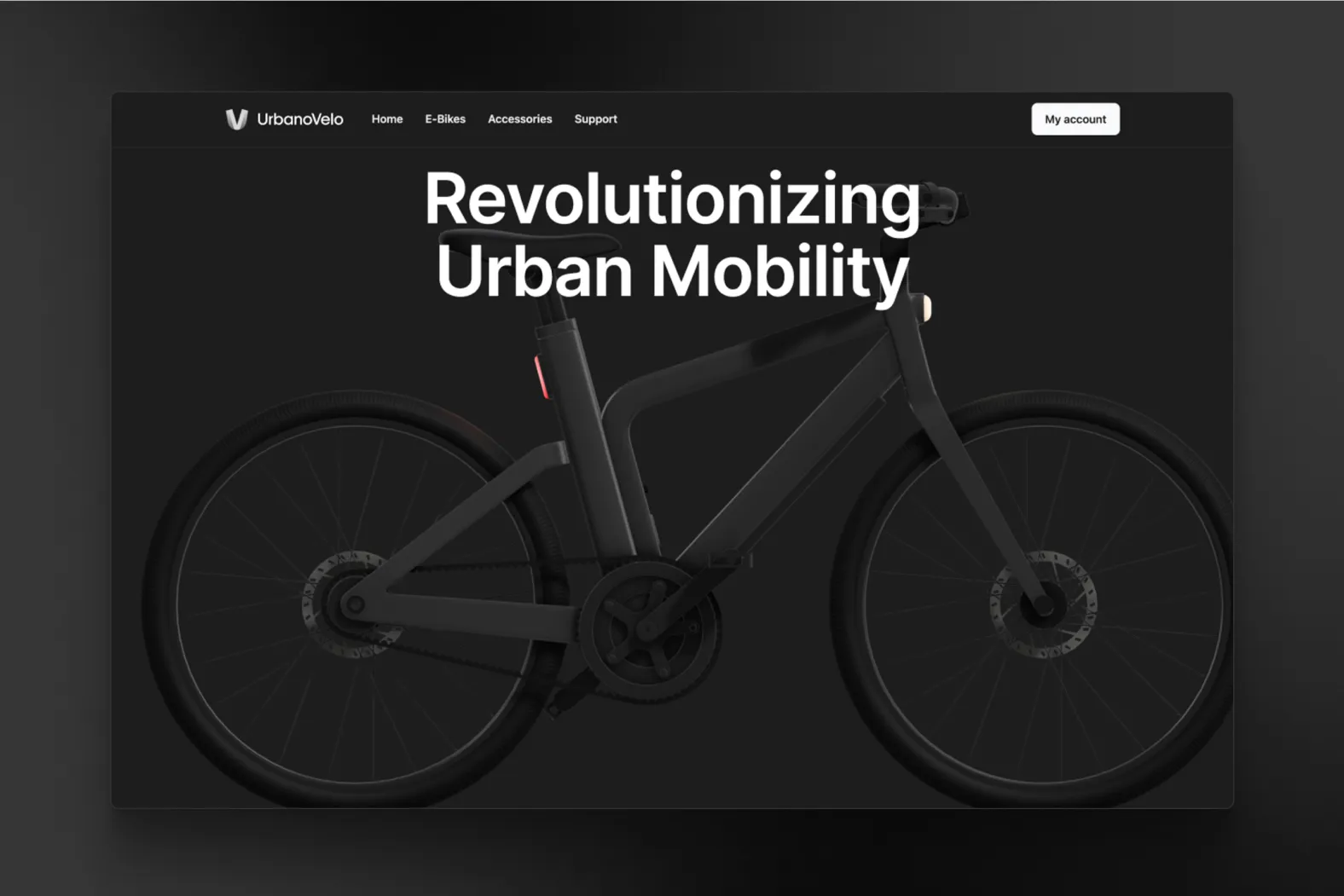
By using Spline to add 3D elements, designers can make their websites more engaging and memorable for visitors. Fluid animations, elegant transitions, and immersive interactions are now just a click away, which, in our experience, makes it possible to create unforgettable user experiences.
Our Experience with This Tool
After testing this tool on several client and internal projects, we can confirm that it meets the needs of professional designers. Our team uses it regularly in its daily workflow, which, in our experience, allows us to validate its effectiveness in real production conditions.
Aspects tested in detail:
- Performance on large files (500+ frames)
- Compatibility with complex design systems
- Stability during intensive use
- Integration into a team workflow
Points to Watch (Tested in Real Conditions)
In the interest of transparency, here are the limitations we identified during our testing:
- Processing time can be longer on very large files
- Requires a stable internet connection for certain features
- Learning curve for beginner users
Conclusion
The marriage between Webflow and Spline opens up exciting new perspectives for web design. By combining the power of Webflow's 2D design with Spline's 3D modeling capabilities, creators can push the boundaries of what is possible on the web. Whether you are an experienced designer or a beginner, this combination offers a unique opportunity to explore new dimensions in web creation, while delivering unmatched user experiences.