Introduction
User interface design is a constantly evolving field, shaped by ever-changing trends, technologies and aesthetic choices.
Among the design approaches that have marked the history of digital design, skeuomorphism stands out for its clever use of visual elements borrowed from the real world. In this in-depth exploration of skeuomorphism, we will dive into the origins of this approach, its role in the user experience, its decline and resurgence, and finally its current impact on interface design.
Origins and Evolution of Skeuomorphism
THE BEGINNINGS OF SKEUOMORPHISM
Skeuomorphism has its roots in the earliest attempts to design user interfaces for new technologies. In its early days, designers sought to make these technologies more familiar to users by incorporating familiar elements. This approach aimed to lower the barrier to entry for computing novices. The first graphical interfaces of personal computers, such as those of Apple's Macintosh in the 1980s, introduced desktop icons representing real-world objects such as folders and trash cans, making navigation more intuitive.
THE IMPORTANCE OF FAMILIARITY
One of the keys to skeuomorphism's success lay in its ability to create a sense of familiarity. By using design elements that evoked real objects, users felt more comfortable with new technologies. Elements such as dials, levers and buttons mimicking physical controls were commonly used. This approach allowed users to transfer their skills and understanding of the physical world into the digital world, making it easier to adopt new technologies.
The Golden Decades of Skeuomorphism
THE EMERGENCE OF DIGITAL SKEUOMORPHISM
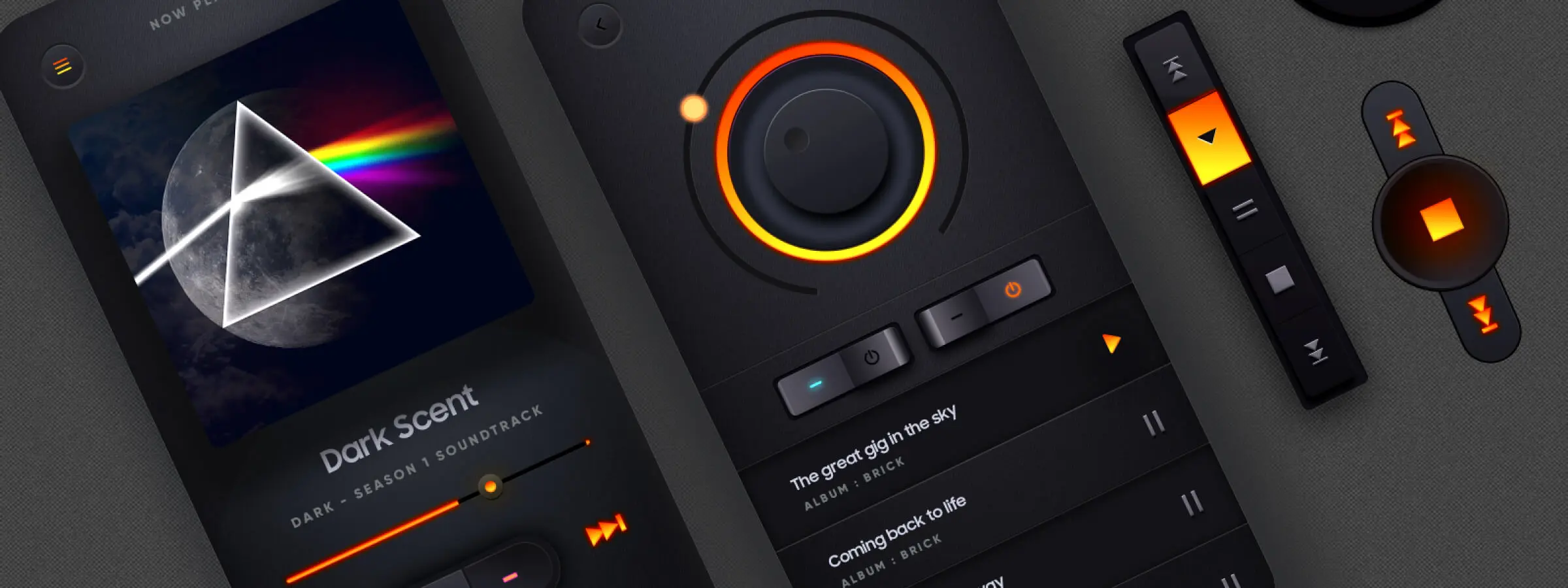
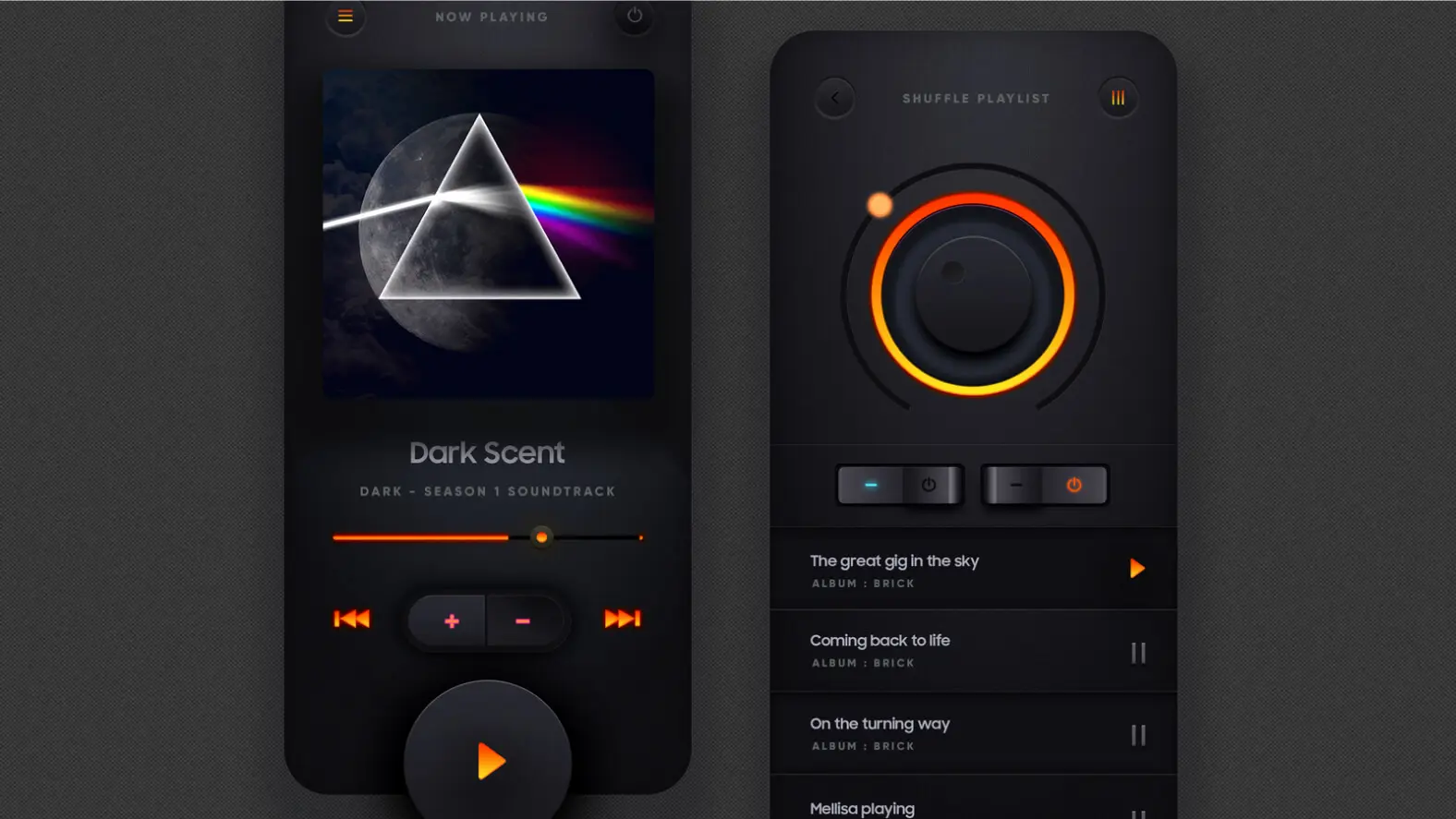
As digital technology evolved, skeuomorphism also evolved to adapt to increasingly sophisticated interfaces. Design elements became more complex to reflect the new features of software and electronic devices. For example, the control buttons on digital music players increasingly resembled physical buttons with reliefs and shadows.
THE PIONEERS OF SKEUOMORPHISM
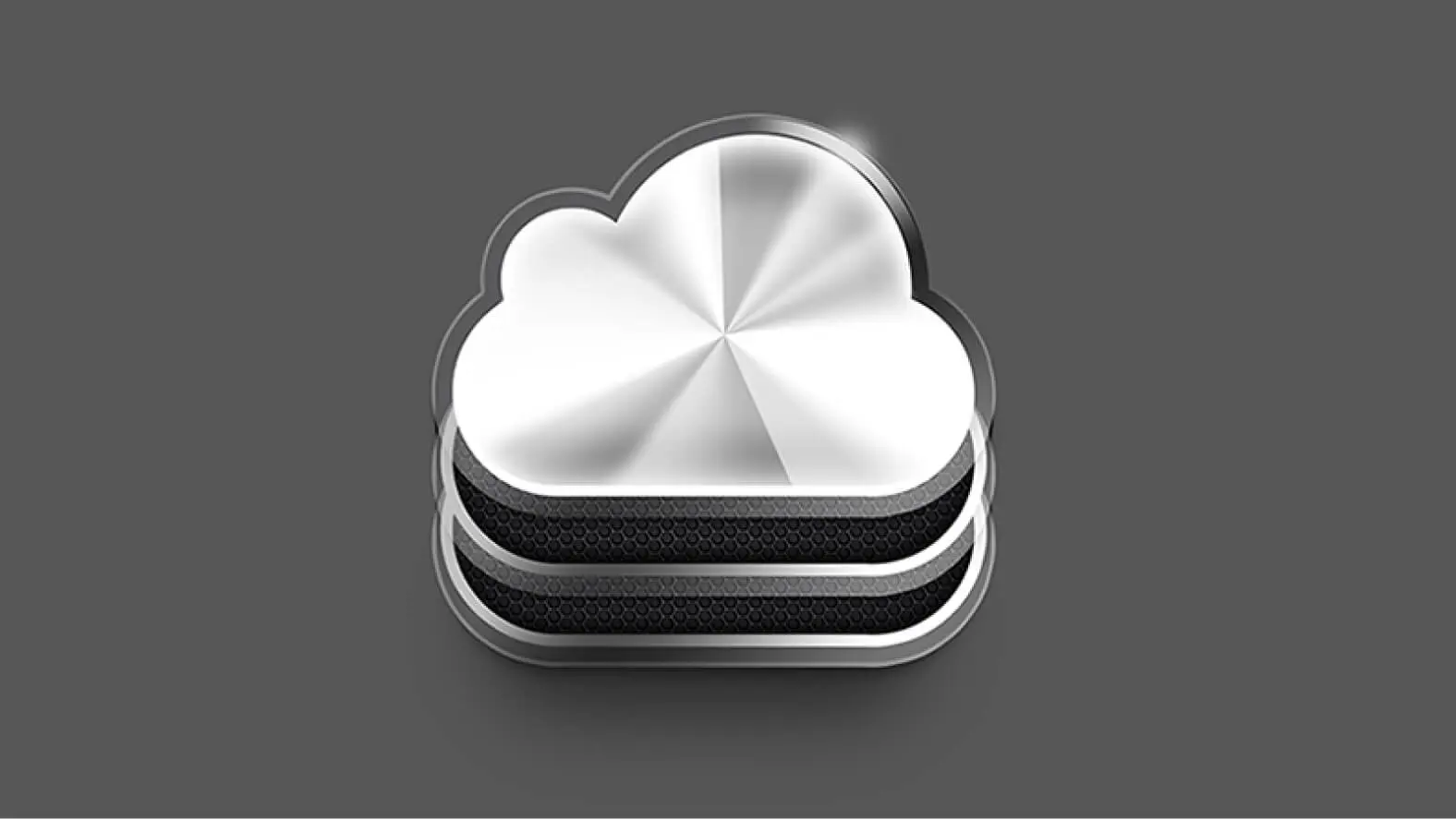
Several designers and companies were pioneers in applying skeuomorphism. Apple, for example, was recognized for its skillful use of this approach in its early products, notably the iPhone and iPad. The design of Apple's icons, buttons and interfaces was praised for its ability to create an immersive and intuitive user experience. Other companies such as Microsoft and Adobe also adopted skeuomorphism in their products.
The Decline and the Resurgence
THE RISE OF FLAT DESIGN
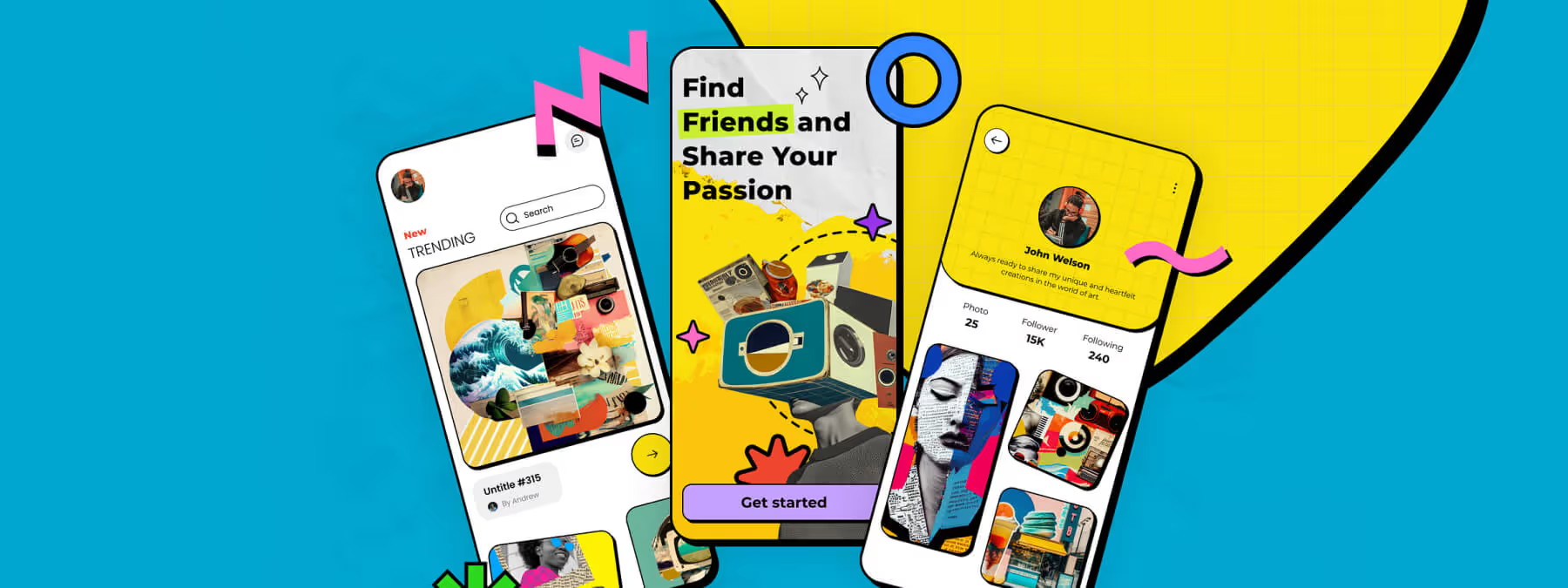
Over time, however, interface design evolved, with the advent of minimalism and flat design, in opposition to skeuomorphism. Flat design, as its name suggests, is characterized by its minimalist, no-frills approach. Flat-style interfaces are defined by the use of bright colors, simple geometric shapes and the absence of realistic effects such as shadows and reliefs. This approach gained popularity thanks to its simplicity and modern aesthetic.
THE DECLINE OF SKEUOMORPHISM
Skeuomorphism began to decline due to growing criticism. Its detractors pointed out that the excessive imitation of real-world objects could weigh interfaces down and hinder innovation. Some considered that excessive realism had become obsolete in a world increasingly focused on simplicity and speed. This led many companies to reconsider their approach to interface design.
THE RESURGENCE OF SKEUOMORPHISM
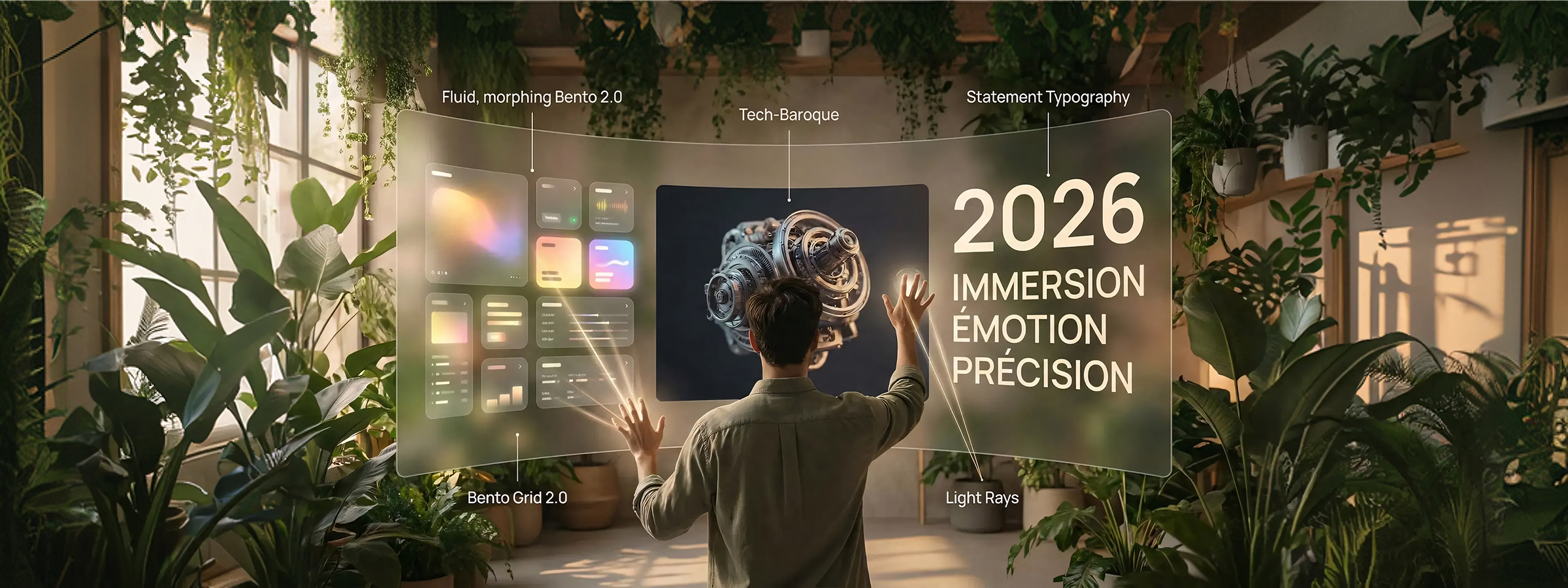
Despite its decline, skeuomorphism has made a notable comeback in recent years. Designers have reintroduced realistic elements into their interfaces to create more immersive visual experiences. This has been particularly visible in the fields of augmented reality (AR) and virtual reality (VR), where realism is essential to create convincing virtual environments. Video games, educational apps and simulation apps have greatly benefited from this resurgence.
THE ONGOING DEBATE
The debate between skeuomorphism and flat design remains relevant today. Designers must still make thoughtful decisions by choosing the approach that best suits their projects and their target audience. Flat design continues to gain ground in many applications and websites, but skeuomorphism retains its place in specific fields where realism is essential to create an effective user experience.
Conclusion
Skeuomorphism is an interface design approach that has gone through decades of evolution, criticism and resurgence. While the minimalism of flat design gained momentum, skeuomorphism has maintained its relevance by offering a familiar and immersive user experience. The debate between these two approaches continues to spark designers' creativity, underlining the importance of adapting to users' changing needs.
Skeuomorphism remains a fascinating element of the interface design landscape, a reminder that digital interfaces can successfully merge the virtual world and the real world. The choice between skeuomorphism and minimalism will always depend on the context and goals of the project, but both approaches will continue to influence interface design in the future.