Introduction
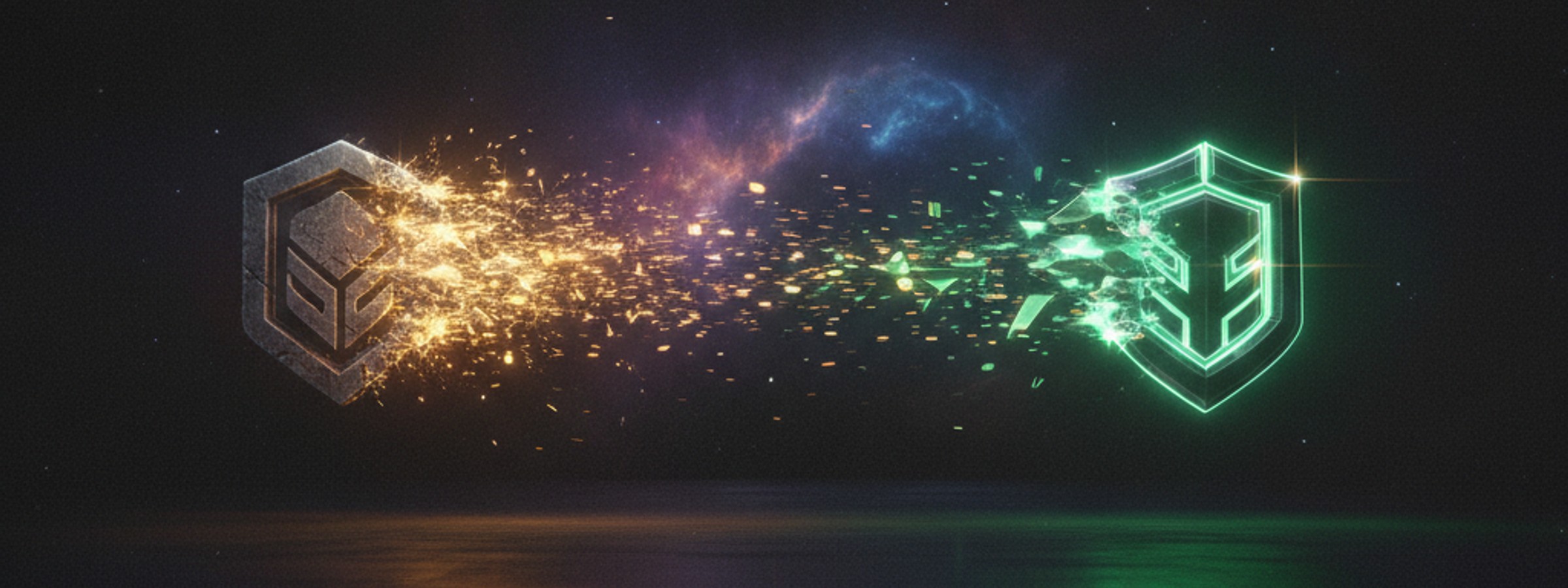
For eight months, I built Dynasty Nova as a personal project: a mobile-first 4X space strategy game, born out of frustration with OGame's aging UX. Then, mid-beta, I had to rename it. Here's why, and what it taught me about product identity after launch.
The problem: a name already taken
A CLASH THAT DOESN'T FORGIVE
"Astro Nova" looked like an original name when I started the project. In reality, another game — an action roguelike on Steam — carries the exact same name. Nothing to do with the space strategy game I was building, but the confusion was real for anyone searching "Astro Nova".
THE RISK: GETTING DILUTED BY ANOTHER GAME
Two games sharing one name isn't just a cosmetic annoyance. It means lost traffic, mixed-up reviews, and a brand confusion risk I don't control. Keeping that name meant building my visibility on foundations borrowed from someone else.
Choosing a new name mid-flight
DYNASTY: A WORD THAT DESCRIBES THE GAME BETTER
"Astro" only described the setting: space, generic and already crowded with similar games. "Dynasty" tells a different story: building an empire over time, management, a lineage that grows with every session. It's closer to what players actually experience.
CHECKING BEFORE GETTING ATTACHED TO A NAME
This time, I checked upfront: search engine availability, the dynastynova.com domain, social media handles. A product name is never just a word — it's also a URL, an app store identifier, a hashtag. Checking it before getting attached avoids living through this rebrand twice.
What a rebrand actually changes
GAMEPLAY STAYS, IDENTITY MOVES
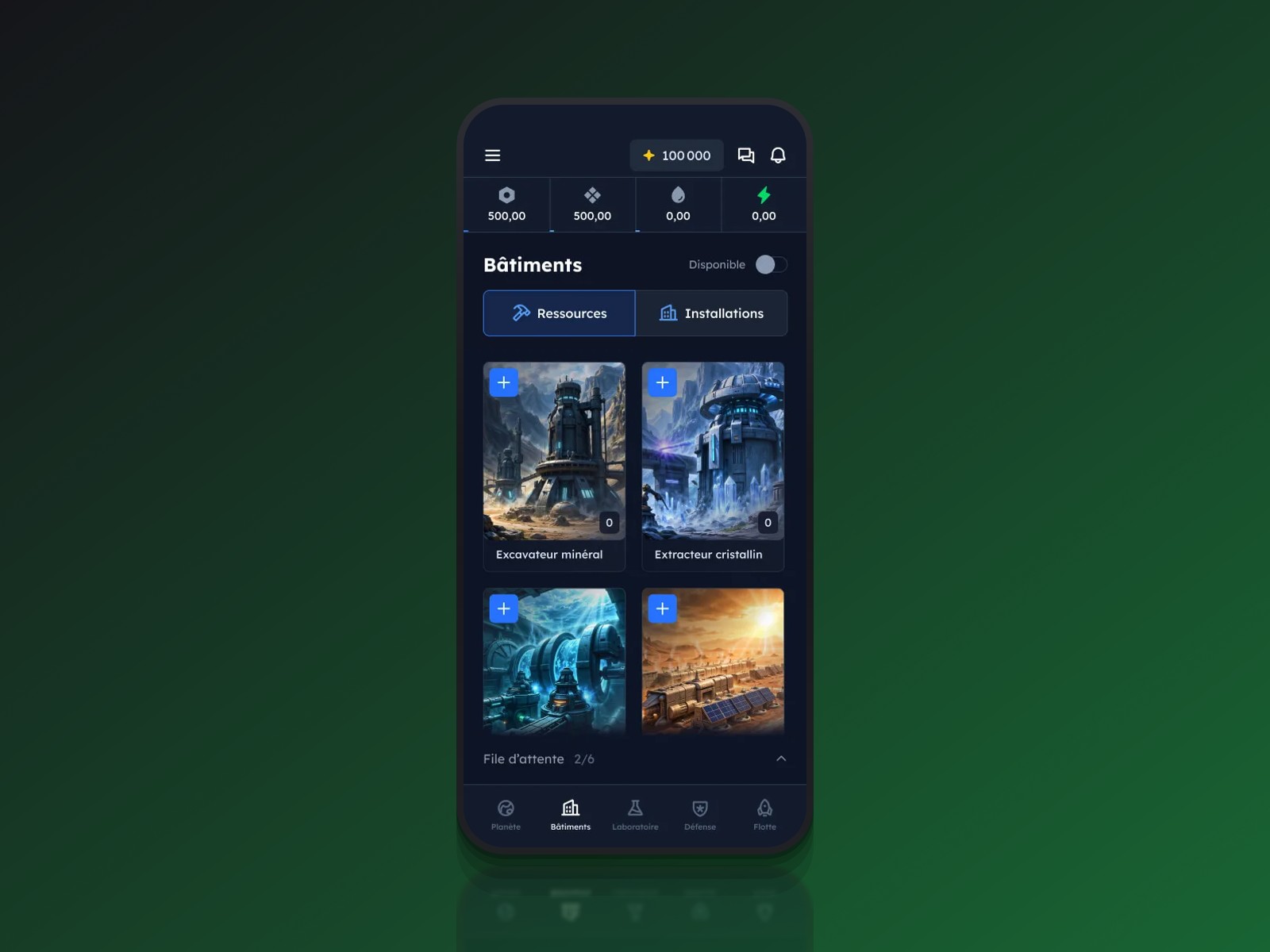
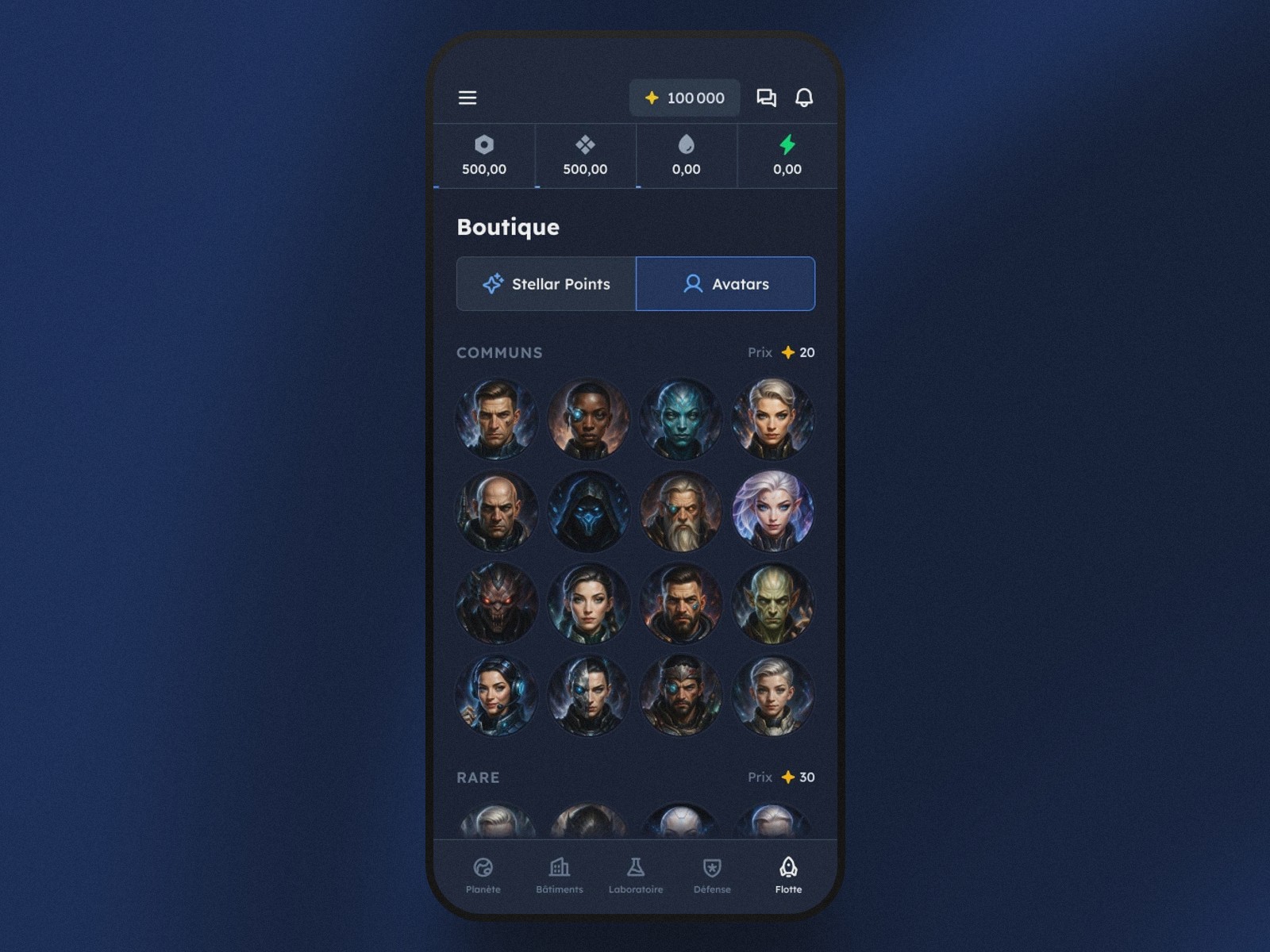
The name changes, the game doesn't. Resource management, the tech tree, the fleet system all stay identical. What changes is everything carrying the name: logo, palette, app icons, marketing copy.
MIGRATING WITHOUT LOSING BETA PLAYERS
The real challenge isn't visual, it's human: warning players already signed up on play-astronova.com, redirecting the old domain, and communicating clearly so no tester thinks the project is dying. A silent rebrand, without explanation, always reads as an abandonment.
What I take away from it
A mid-beta rebrand costs time I'd rather spend elsewhere. But it's better to do it early, while the player base is still small, than later, when every URL change breaks links, reviews and habits. Checking a name's availability before choosing it remains the simplest lesson, and the one indie creators skip most often.
Conclusion
Dynasty Nova is still the same 4X space strategy game born from frustration with OGame's aging UX. The name changed, the ambition didn't: a mobile-first management experience with an identity that belongs to this project alone.
FURTHER READING
Play Dynasty Nova
Astronova: Creating a Mobile-First UI Inspired by Best Practices
How Astronova Reinvents OGame's Visual Universe to Build Its Own Identity
Why OGame-Like Games Still Fascinate 20 Years Later