Introduction
After a 2025 marked by the emergence of new digital aesthetics, 2026 promises to be a pivotal year for UI design. Interfaces no longer simply aim to be beautiful or modern—they must now generate immediate emotional impact, complete immersion, and instantaneous understanding. The boundaries between digital interface and actual perception continue to blur, pushing designers to fundamentally rethink how they compose, structure, and animate information.
The trends that follow are not mere fashions. They are the natural extension of an already-underway transformation: one where design becomes a vector of experience, a language, a narrative. Here are the major directions that will shape interface design in 2026.
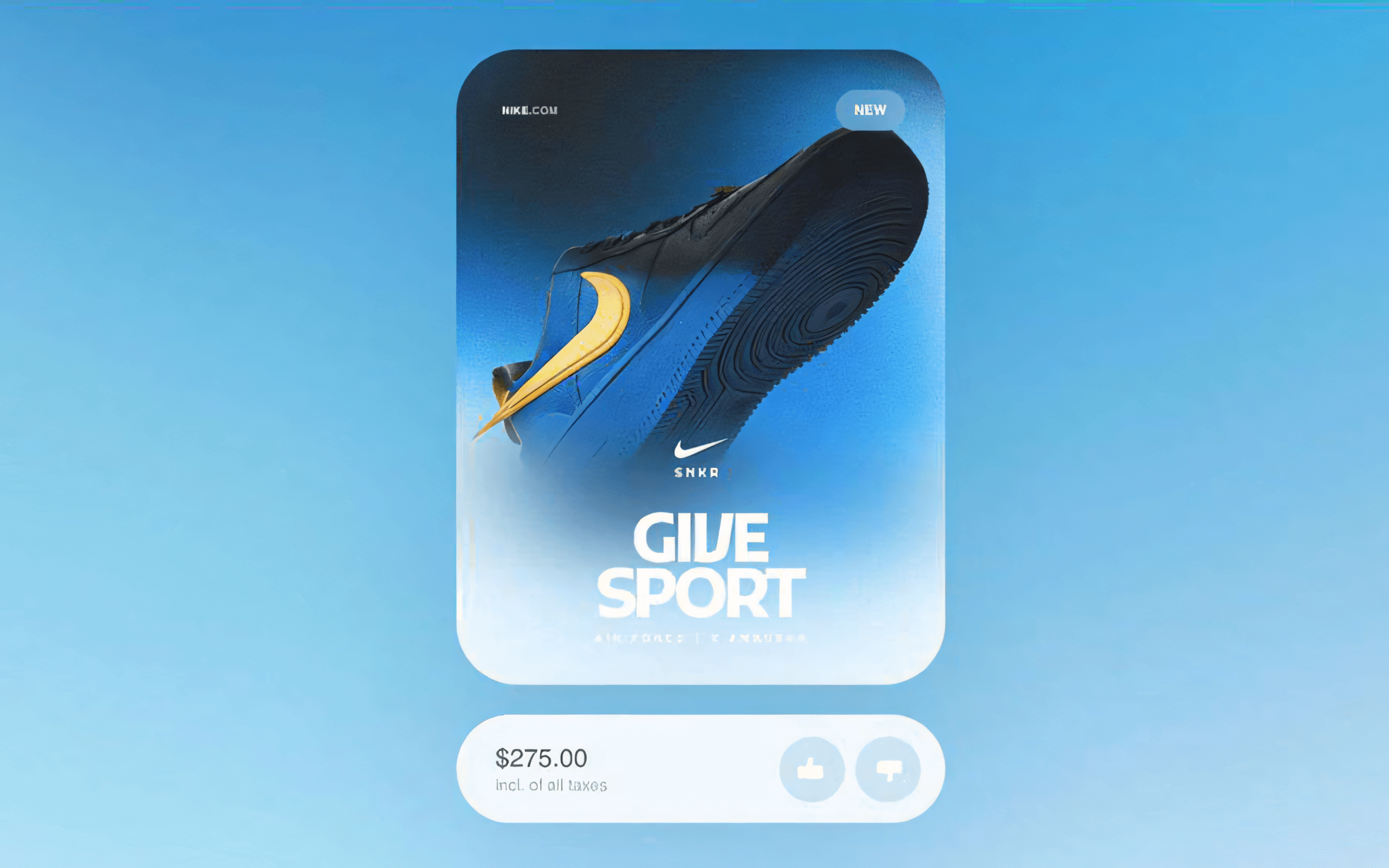
1. The Bento Grid Becomes Fluid: Toward Dynamic and Responsive Interface
A grid that adapts to context
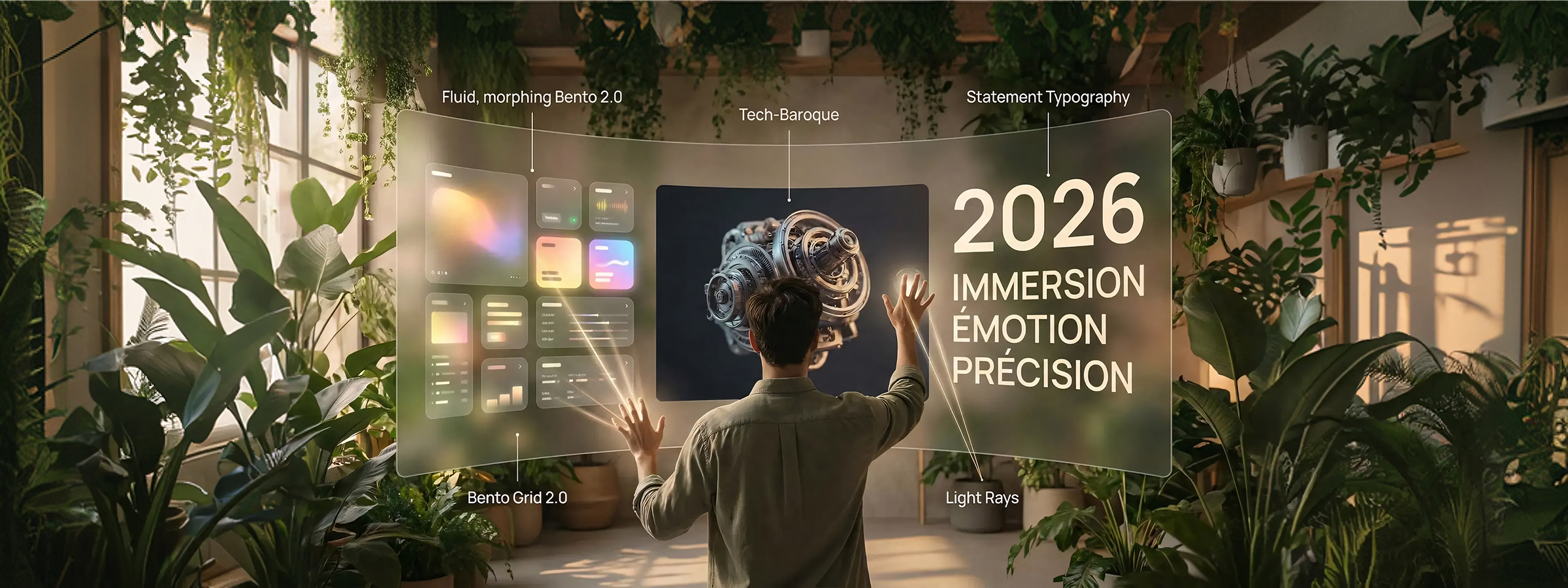
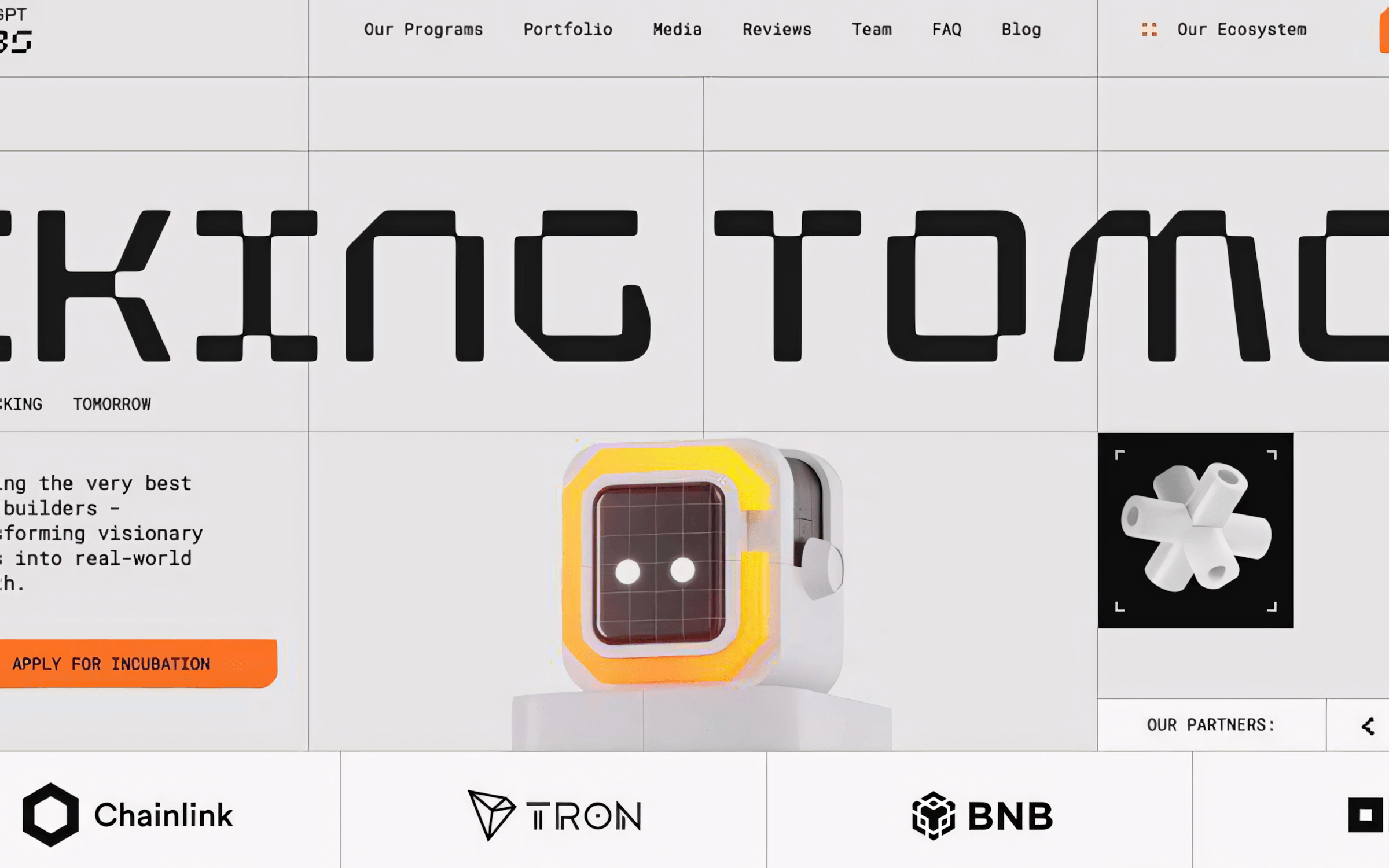
The Bento grid defined interfaces in 2024–2025 through its modularity inspired by Japanese boxes. In 2026, it enters a new phase. Blocks stop being fixed: they adapt to user context, information volume, and even navigation behavior. The grid becomes a living structure, capable of breathing, contracting, or expanding.
More emotional layout
This Bento Grid 2.0 is no longer merely a way to organize information—it becomes a narrative instrument. Each block can shift in hierarchy, advance contextually, and create a more natural rhythm between reading and exploration. This fluidity contributes to a more organic, intuitive experience, almost tactile in perception.
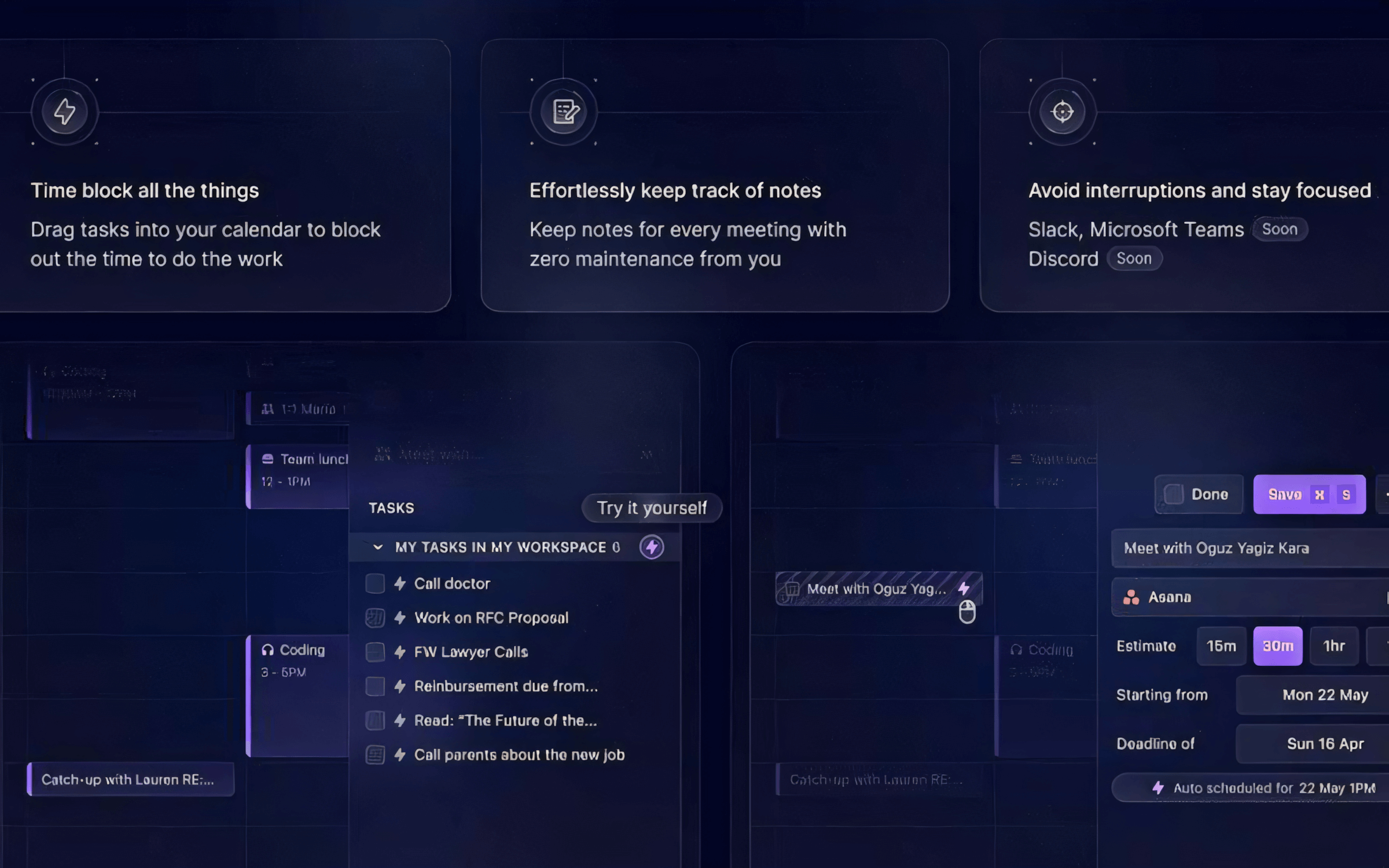
2. Progressive Blur: Storytelling Through Depth
A subtle tool to guide attention
Progressive blur, very present in 2025 interfaces, takes on more sophistication in 2026. It no longer serves only to create aesthetic depth or a frosted glass effect. It becomes a true staging tool: a way to direct attention gently and almost imperceptibly.
Visual storytelling without scrolling
Progressive Blur allows you to structure information before users even interact. It hierarchizes, reveals, and suggests. This "soft focus UI" offers more intuitive reading by reducing cognitive load and giving the interface an almost cinematic dimension.
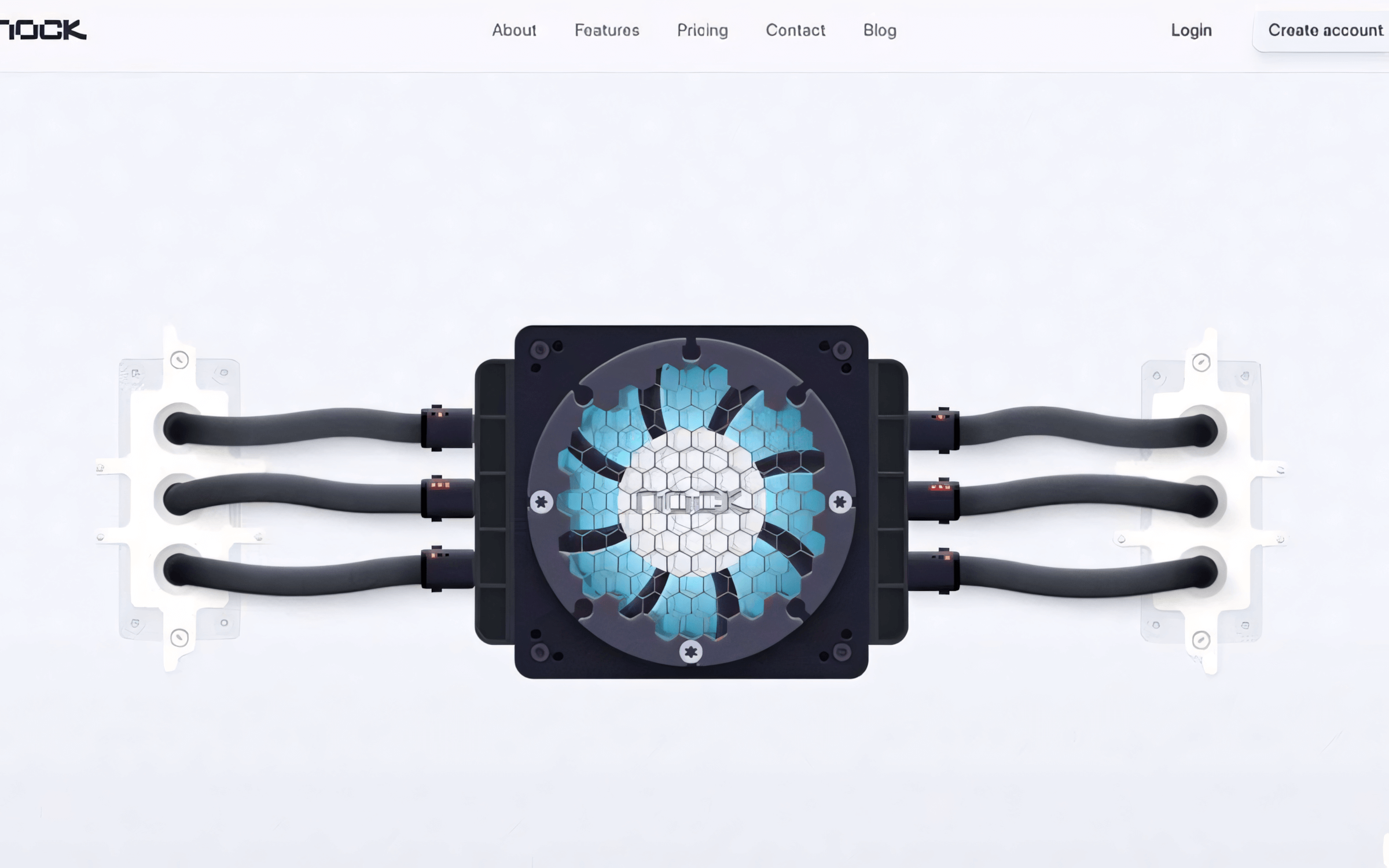
3. "Statement" Typography: The Voice of Design
More expressive typography
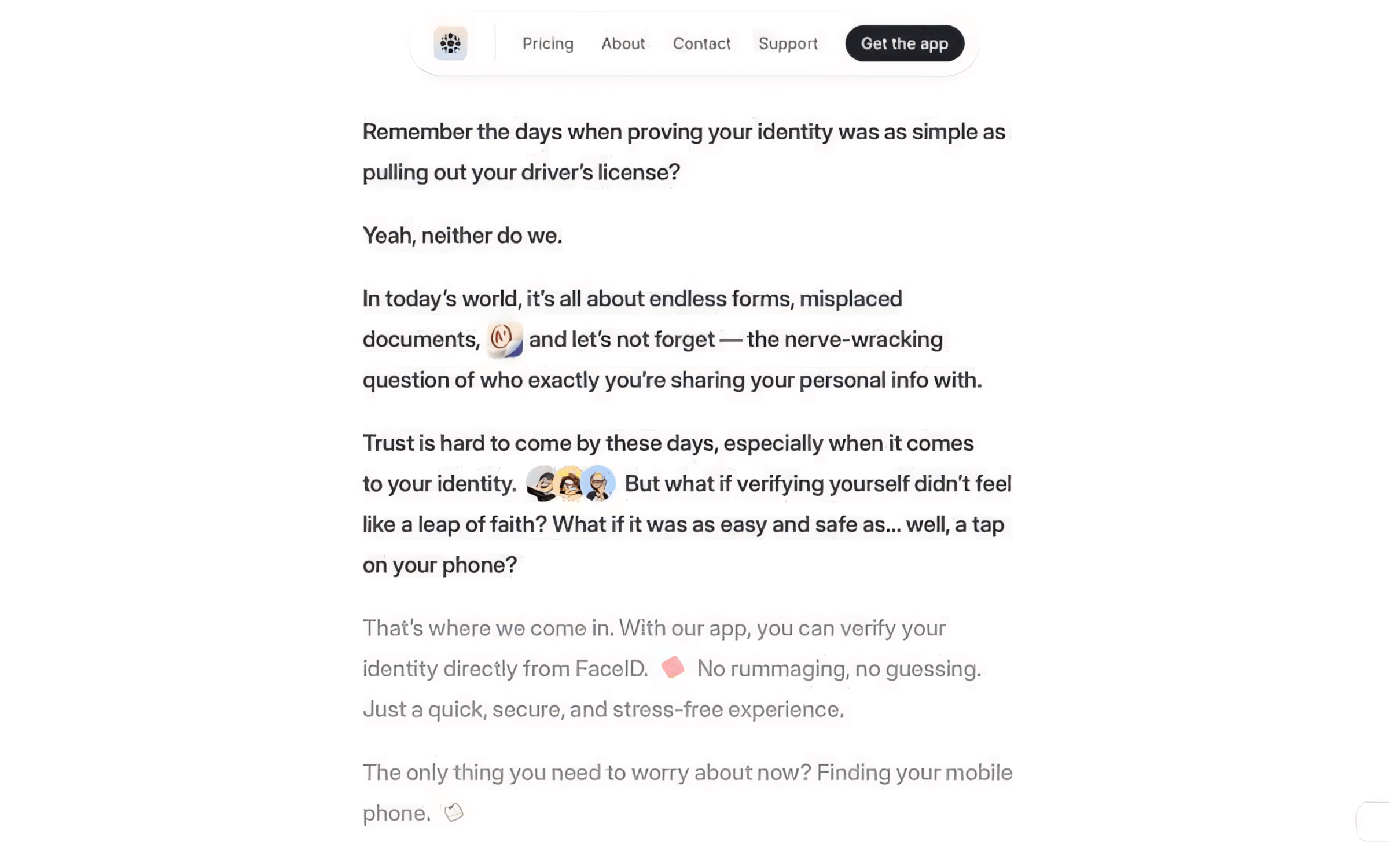
2026 marks the return of typography as a major graphic element. Typefaces become larger, bolder, sometimes monumental. They no longer seek to accompany the visual—they become the visual itself.
Text as emotional element
Interfaces now use subtle kinetic motion, typographic transitions, or micro-animations on hover. Text becomes alive, almost embodied. It conveys immediate, raw, direct emotion and sometimes entirely replaces traditional images.
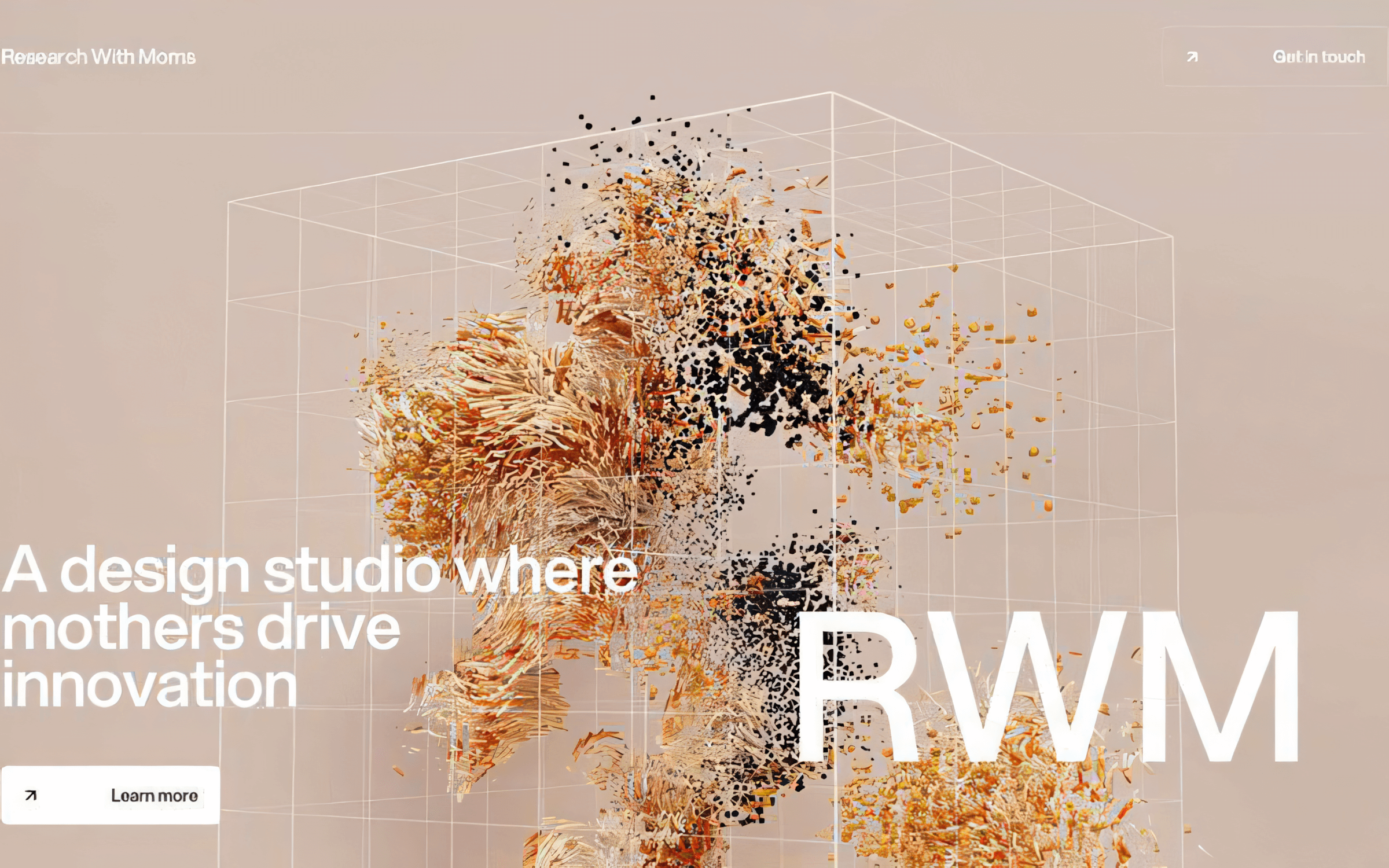
4. Text + Emoji Hybridization: More Human Communication
A more conversational graphic language
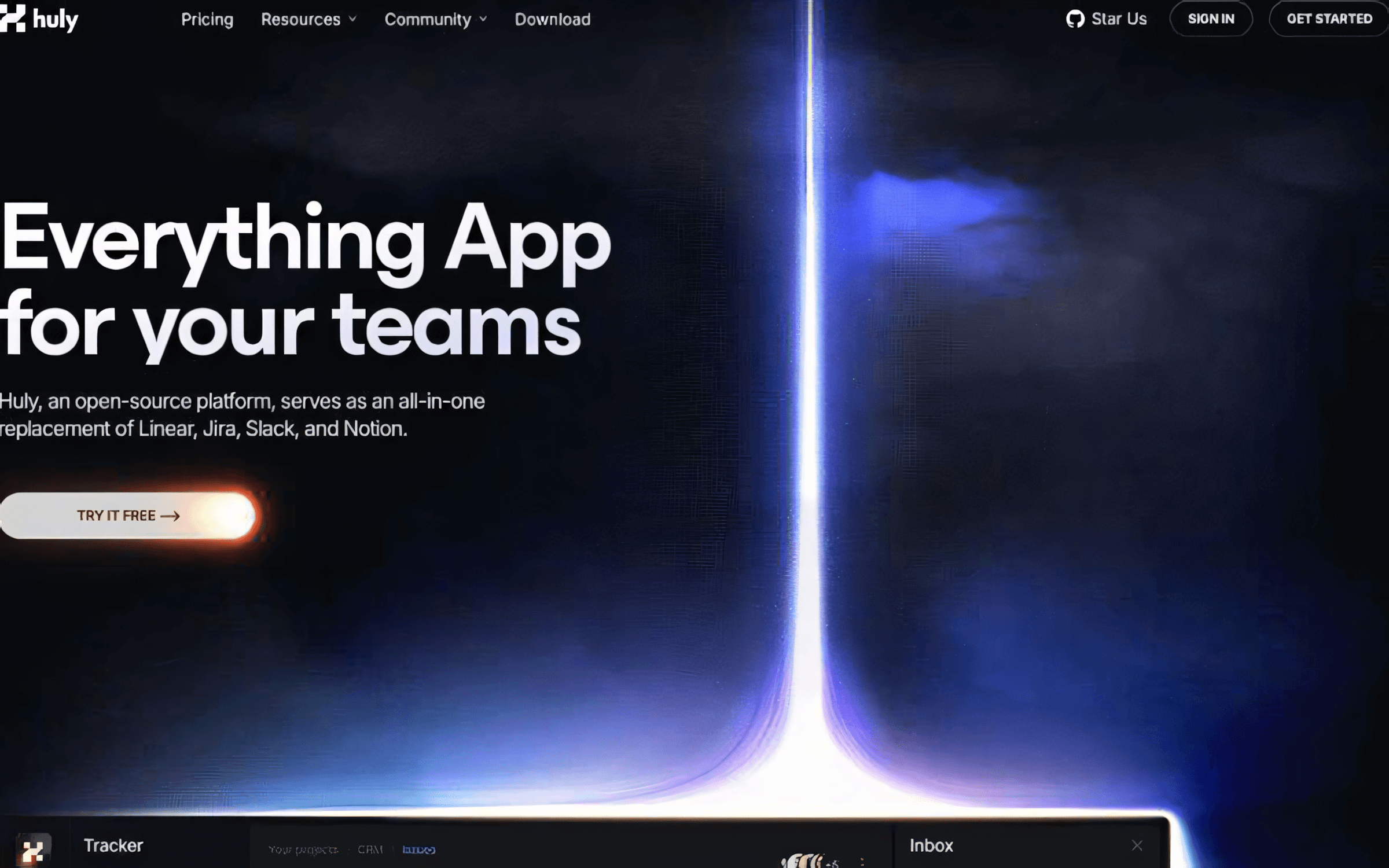
Modern interfaces adopt a more accessible and straightforward tone. Emojis are no longer relegated to the end of sentences—they join the grammar of text. They replace words, suggest intent, lighten a technical interface, and create emotional connection.
Writing adapted to digital brands
This hybridization humanizes interactions and allows SaaS and tech products to acquire their own personality. In 2026, it becomes a marker of authenticity and simplicity in a world saturated with content.
5. Hyper-Detail Illustration: Tech-Baroque
A response to AI-generated visuals
Faced with smooth images produced by generative models, artisanal design makes a comeback. Hyper-detailed illustrations—inspired by technical drawings, exploded views, or architectural sections—become a symbol of mastery and expertise.
An aesthetic that reveals complexity
These illustrations are not decorative. They serve to show what is usually hidden: an infrastructure, a technology, a complex workflow. Tech-Baroque becomes a way to say: "here's what we master, here's what we understand."
6. Interactive 3D: The Return of the Tangible
Elements that truly react
3D continues its rise but moves beyond decorative object status. 2026 interfaces adopt integrated, functional 3D, where elements have texture, inertia, and visual density that recalls the real world.
An immersive and sensory experience
This interactive 3D creates an illusion of touch, sometimes called "visual haptics." Cards tilt slightly, buttons react with physical bounce, menus slide like mechanical components. The experience becomes more memorable and engaging.
7. Light Rays: Light as an Interaction Guide
Dynamic light effects
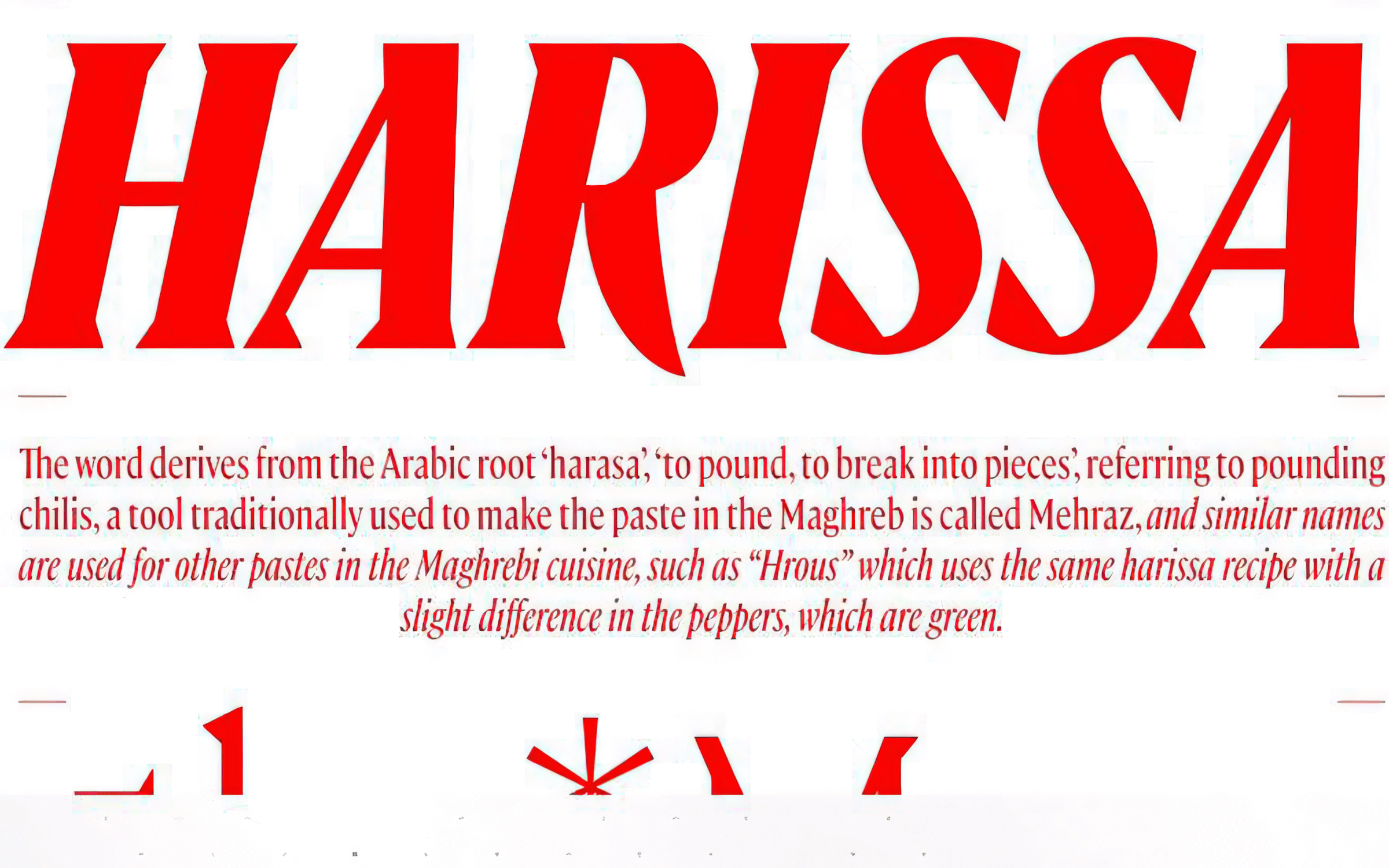
Light beams, halos, and incandescent borders establish themselves in modern dark mode. In 2026, these light plays become interactive: they follow the cursor, underline an action, or highlight a key element.
A powerful visual metaphor
This approach echoes the notion of an "illuminated path," ideal for interfaces linked to AI, cybersecurity, blockchain, or futuristic universes. Light becomes a navigation language.
8. Neo-Minimalism: Simplicity, But Warmth
More human minimalism
Minimalism doesn't disappear, but it evolves. Less cold, less clinical, it adopts organic colors, soft materials, subtle textures. It focuses more on negative space, visual quiet, and cognitive efficiency.
An aesthetic made to breathe
This Neo-Minimalism values slowness, breathing, and readability. It accompanies the rise of AI technologies by creating reassuring, clean, non-intimidating interfaces.
Conclusion
2026 doesn't simply amount to an accumulation of new graphic trends. It marks a profound shift in the role of UI design: moving from an aesthetic logic to an impact logic. Interfaces become more immersive, more sensory, and above all more intentional. Every visual choice—typography, motion, depth, light—now participates in a global narrative and a more conscious user experience.
Adopting these trends alone won't suffice. The real challenge for designers will be using them wisely, accounting for accessibility, ethics, and clarity. In 2026, interface design no longer seeks only to seduce the eye, but to create meaning, establish trust, and make complexity understandable. It's in this balance between visual innovation and responsibility that digital design maturity will be measured.