
Introduction
Since its creation, Sketch revolutionized the field of interface design, becoming the go-to tool for many designers thanks to its advanced features and intuitive interface. However, Figma's rapid rise has disrupted this dominance, highlighting Sketch's weaknesses and redefining expectations for design tools. This article explores the reasons for this shift and the challenges Sketch faces to regain its leadership position.
Context
To better understand the current disruption, it is essential to consider the broader context of the interface design industry. In recent years, the sector has been marked by growing demand for more flexible, collaborative, and accessible tools capable of meeting the needs of distributed design teams and fostering more effective communication.
The Rise of Figma
The emergence of Figma was truly a thunderbolt in the field of interface design, quickly attracting a loyal user base through key innovations that transformed work practices.
CROSS-PLATFORM ACCESSIBILITY
Figma stood out by offering unparalleled accessibility, being available across all platforms via a simple web browser. Unlike Sketch, which is exclusively available on Mac, Figma can be used on any operating system, which greatly expanded its potential audience. This cross-platform accessibility was a major asset for design teams using a variety of devices and operating systems.
REVOLUTIONARY COLLABORATIVE FEATURES
Figma introduced collaborative features that redefined the way design teams work together. Real-time collaboration allows multiple designers to work simultaneously on the same file, facilitating coordination and communication. This feature was particularly beneficial for geographically distributed teams, enabling smooth and instant collaboration.
Sketch's Limitations
Although Sketch was a pioneer in the field of interface design, it faced several obstacles that hindered its ability to maintain its dominant position.
EXCLUSIVE TO THE MAC ECOSYSTEM
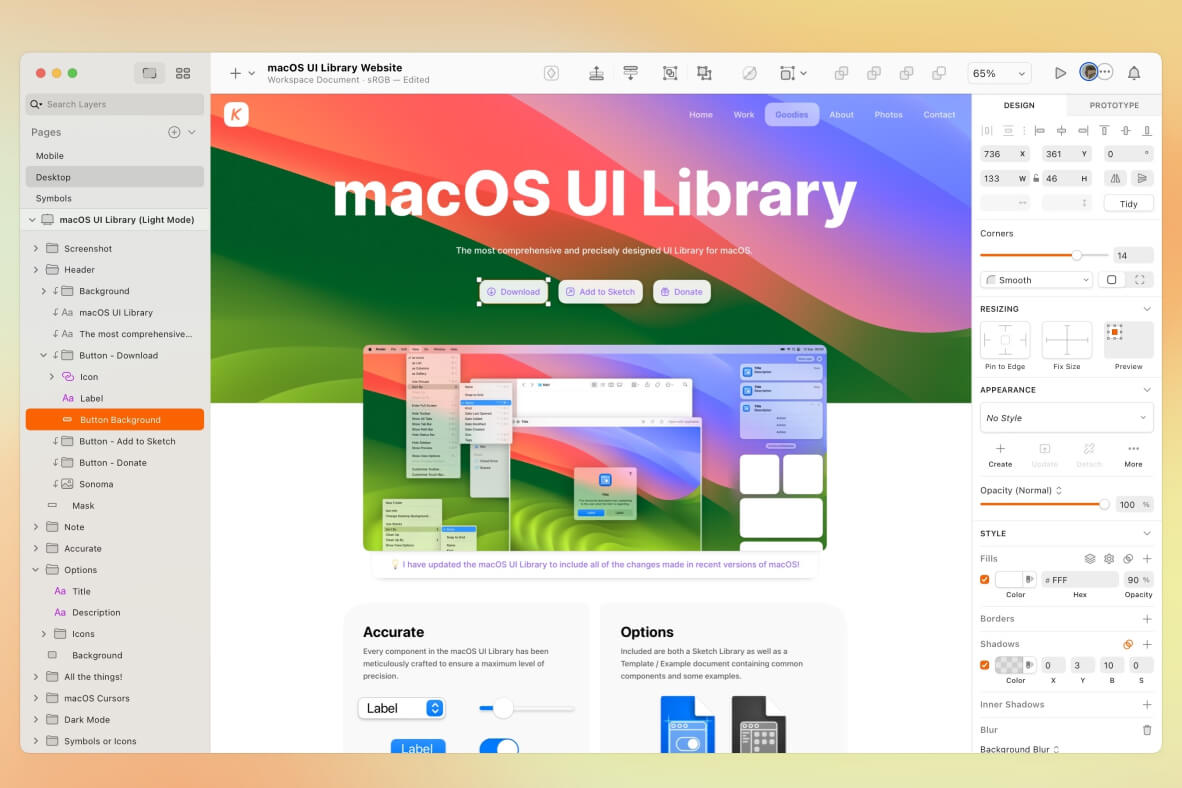
One of Sketch's main limitations lies in its exclusivity to the Mac ecosystem. This restriction excluded a large portion of the designer community using other operating systems, thus reducing its adoption and reach. Many design professionals use multi-platform environments, and Sketch's inability to meet these needs limited its appeal.
COLLABORATION SHORTCOMINGS
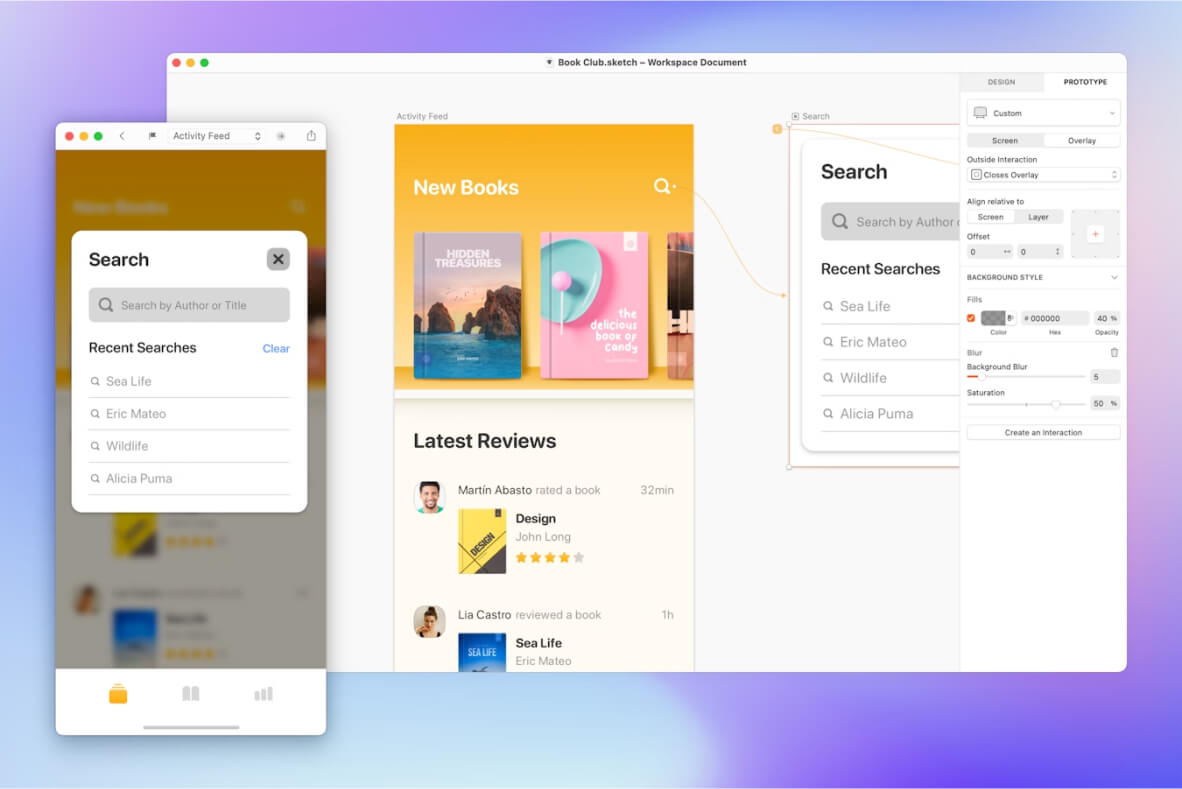
The absence of real-time collaborative features was another major obstacle for Sketch. In an increasingly connected work environment, the ability to collaborate fluidly and instantly has become essential. Modern teams seek tools that facilitate collaboration and communication, and Sketch has struggled to meet these expectations compared to Figma.
Figma's Innovative Features
Figma's innovative features were instrumental in its rapid rise, offering concrete solutions to designers' emerging needs.
REAL-TIME COLLABORATION
Figma's real-time collaboration allows teams to work together more efficiently, eliminating delays and facilitating instant communication. Team members can see changes made by their colleagues in real time, which improves coordination and reduces errors.
EASE OF SHARING AND PRESENTATION
Figma simplified the process of sharing and presenting mockups, allowing designers to easily share their work with stakeholders and gather feedback in real time. This feature enabled shorter feedback and validation cycles, thus improving the overall efficiency of the design process.
Our Experience with This Tool
After testing this tool on several client and internal projects, we can say that it meets the needs of professional designers. Our team uses it regularly in its daily workflow, which allows us, based on our experience, to validate its effectiveness under real production conditions.
Points tested in detail:
- Performance on large files (500+ frames)
- Compatibility with complex design systems
- Stability during intensive use
- Integration into team workflows
Conclusion
Sketch's loss of leadership to competitors like Figma reflects the challenges facing established companies in a constantly evolving market. For Sketch, the future will depend on its ability to innovate and adapt to changing interface designer needs.
By integrating real-time collaborative features and expanding cross-platform compatibility, Sketch could regain its place in an increasingly competitive market. The interface design industry will continue to evolve, and only tools capable of meeting designers' and design teams' growing requirements will succeed in establishing themselves sustainably.