Introduction
Web design is a field where form meets function. Design styles such as Bento, Metro UI, Grid and Masonry offer unique frameworks for presenting content, each with its own aesthetic and functionality.
Bento Design
INSPIRATION AND PHILOSOPHY
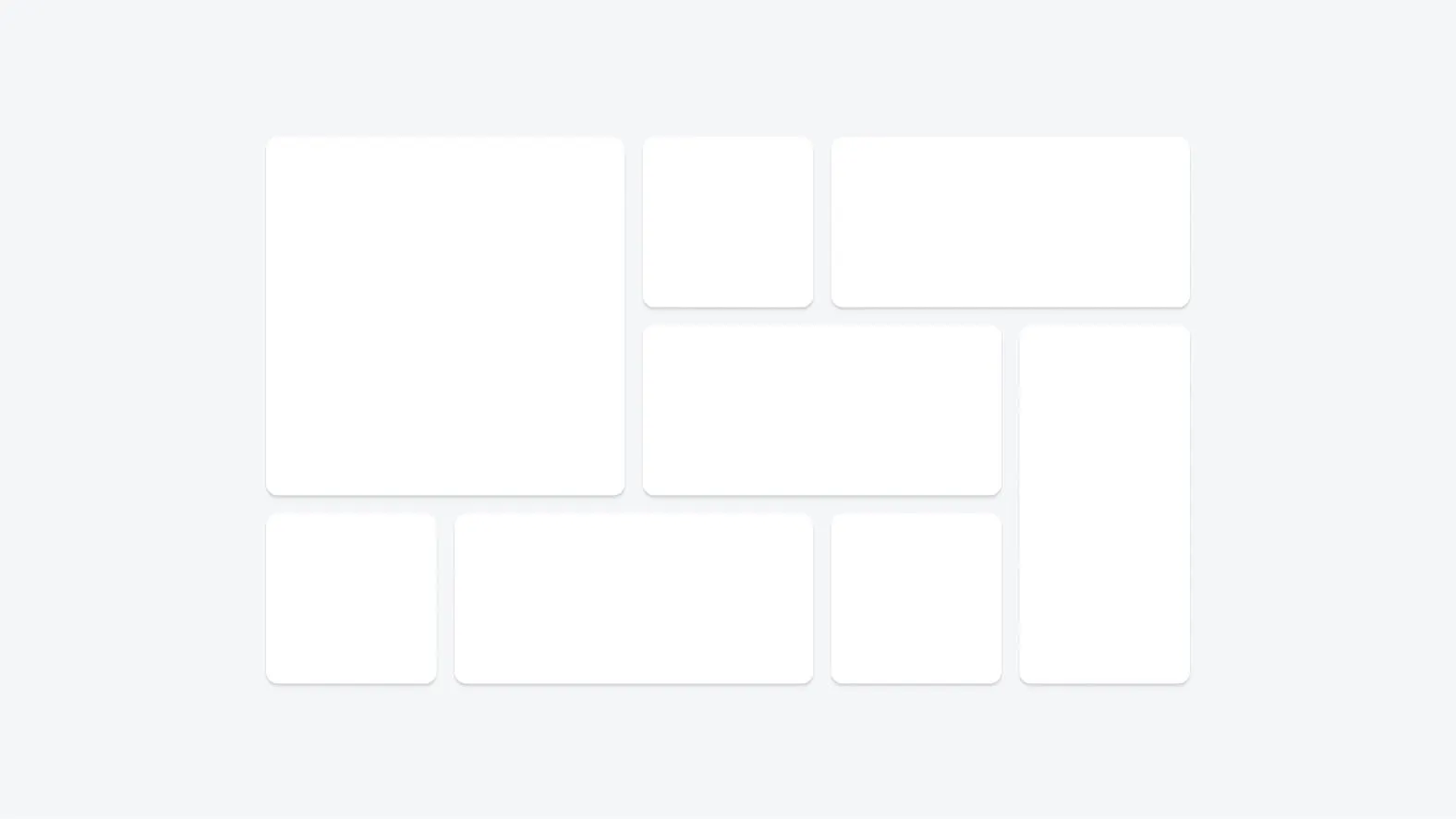
Bento Design draws its inspiration from the orderly, aesthetic layout of Japanese bento boxes, where every element is carefully placed to create a harmonious visual experience.
KEY CHARACTERISTICS
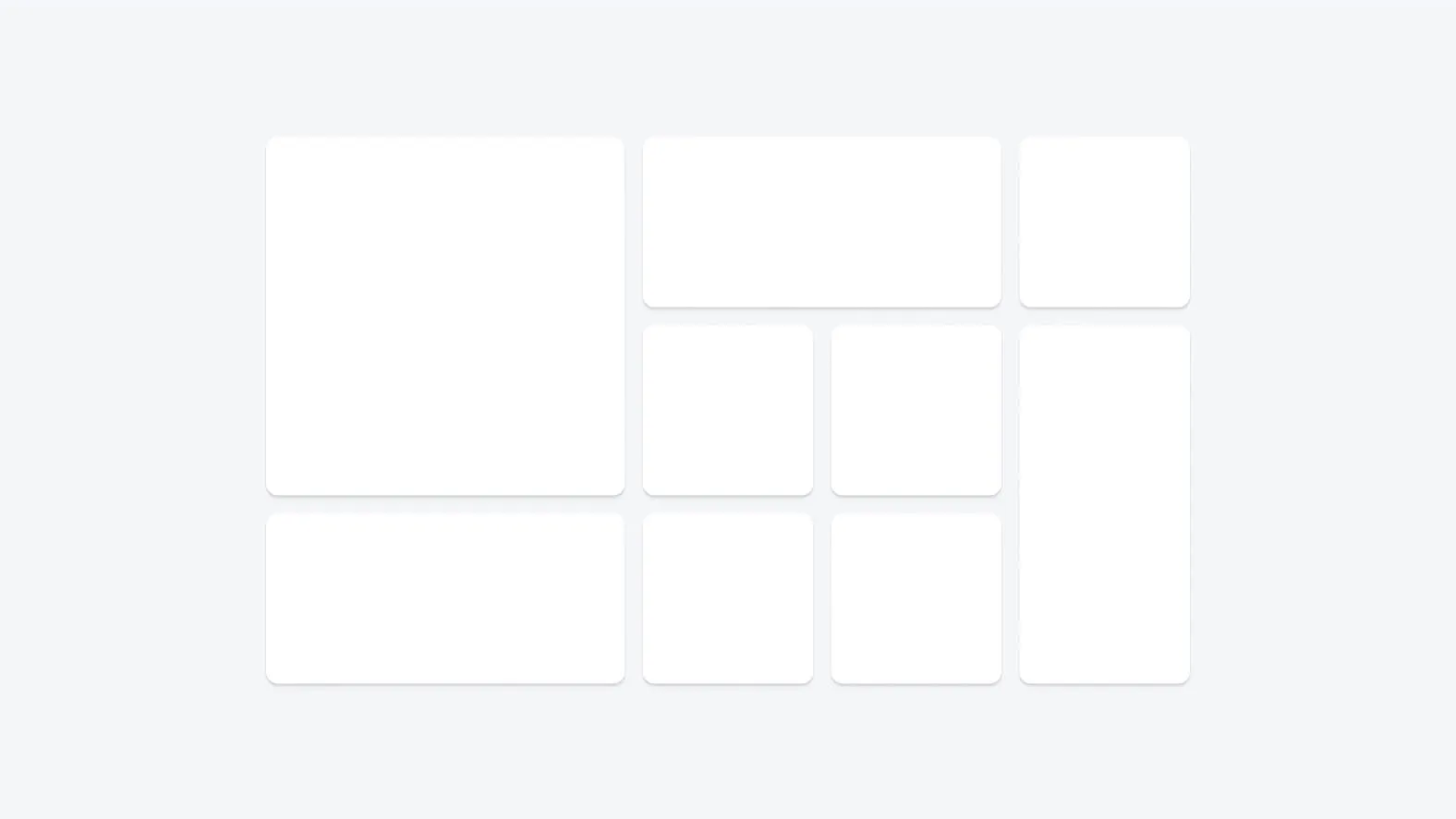
This style is defined by a clear structure and well-defined spaces, encouraging balance between text and images for an appealing layout. Just like the Metro UI style, Bento Design brings elements to life within a base of fixed height and width. Its distinctive feature is that no columns or construction lines should be visible, otherwise the design would lean more toward a Masonry style.
BENEFITS AND USE
Bento Design is ideal for sites that require a clear hierarchy and intuitive navigation, such as news or educational websites.
Metro UI
ORIGINS AND CONTEXT
Metro UI, developed by Microsoft, is known for its minimalist approach that puts typography and negative space front and center.
DISTINCTIVE ELEMENTS
It uses dynamic tiles and blocks of bright colors for a clean, easy-to-navigate user interface. As with Bento Design, Metro UI brings elements to life within a rigid base, avoiding the presence of columns or construction lines.
BENEFITS AND APPLICATIONS
Metro UI is perfectly suited to mobile apps and operating systems that prioritize simplicity and efficiency.
Grid Design
FOUNDATIONS AND PRINCIPLES
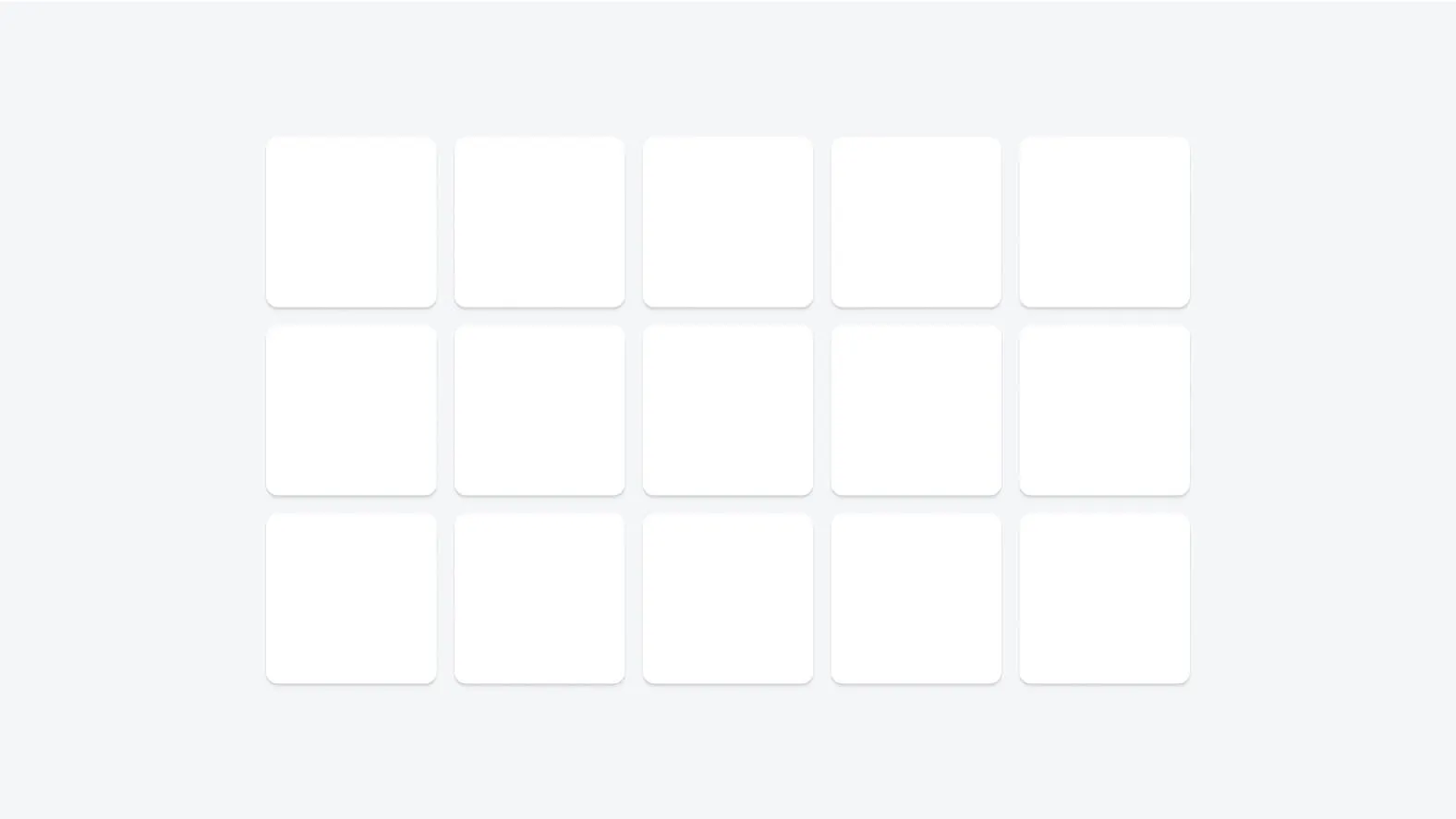
Grid Design relies on the use of grids to organize content in an aesthetic and functional way. Its elements are generally anchored in a square base, giving the layout a uniform structure.
KEY POINTS
This approach offers the flexibility to create responsive designs that adapt to different screen sizes. It is crucial to keep proportions consistent to avoid compromising the integrity of the design.
RELEVANCE AND USAGE
This style is particularly well suited to content-rich sites, such as online magazines or news portals.
Masonry
INSPIRATION AND CHARACTERISTICS
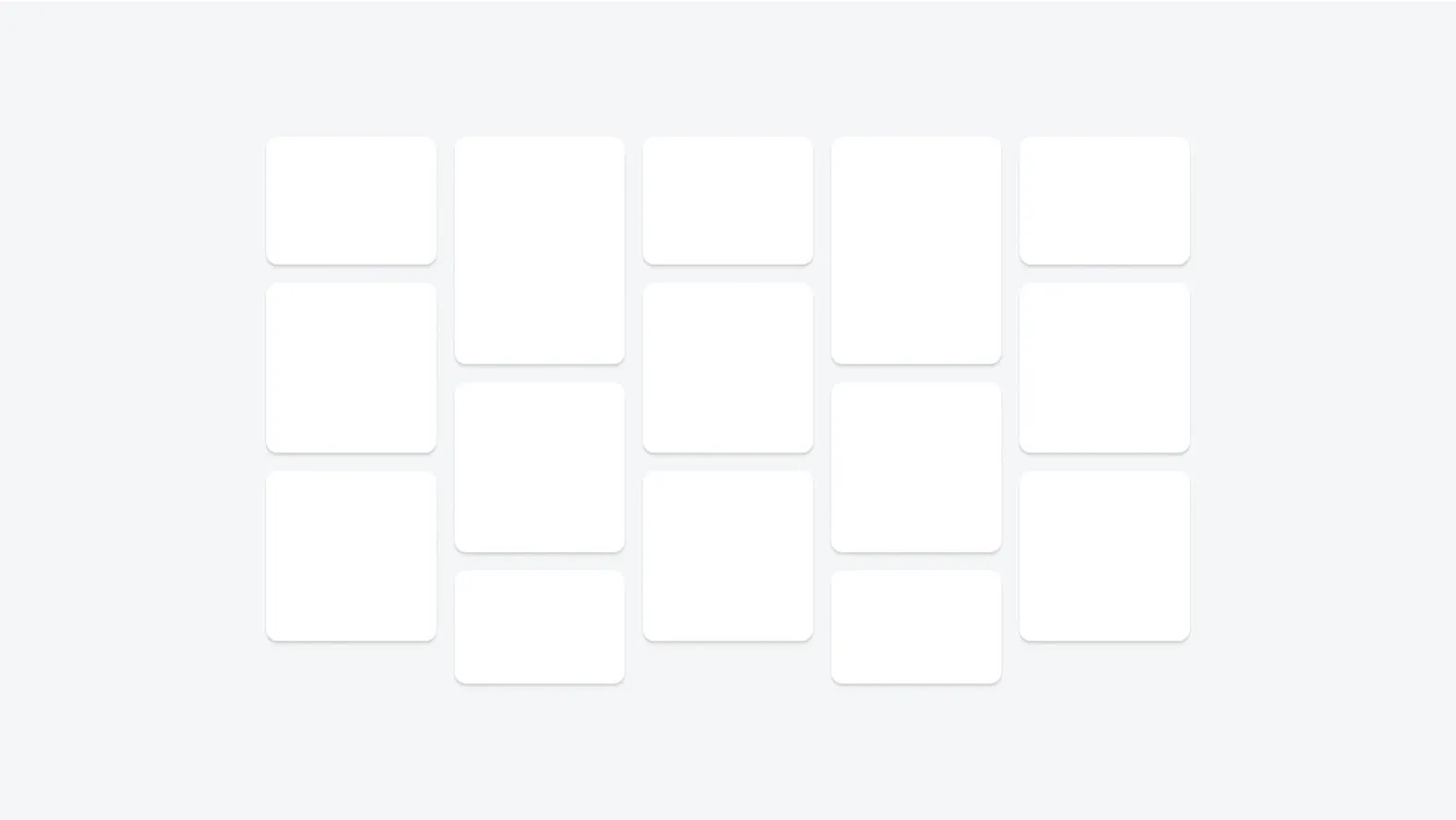
The Masonry style is inspired by the irregular arrangement of stones or bricks, creating a dynamic and slightly disordered visual effect. In our experience, it lets you distribute elements across columns or rows, offering great flexibility in laying out content.
STRENGTHS AND USE CASES
Masonry is ideal for image galleries or content feeds where a variety of element sizes is desired. It is important not to have column heights or row widths with the same value, otherwise the design risks leaning toward a Bento style, where each block has a different height and width and no rows or columns are visible.
Conclusion
Each design style, whether Bento, Metro UI, Grid or Masonry, has its own distinct particularities. Yet they all share a certain closeness in their approaches and constraints. Understanding these nuances is essential to choosing the style best suited to a given web project, in order to enrich the user experience in a unique and effective way.