Introduction
The user interface (UI) design industry is constantly evolving, shaped by the emergence of new technologies and new design approaches. These trends have a profound impact on the way we interact with digital interfaces, thereby influencing the future of user experience. In this article, we will dive into the current trends in UI Design, exploring their implications and their influence on the design world.

The rise of the voice user interface: origins and technological revolution
INTRODUCTION
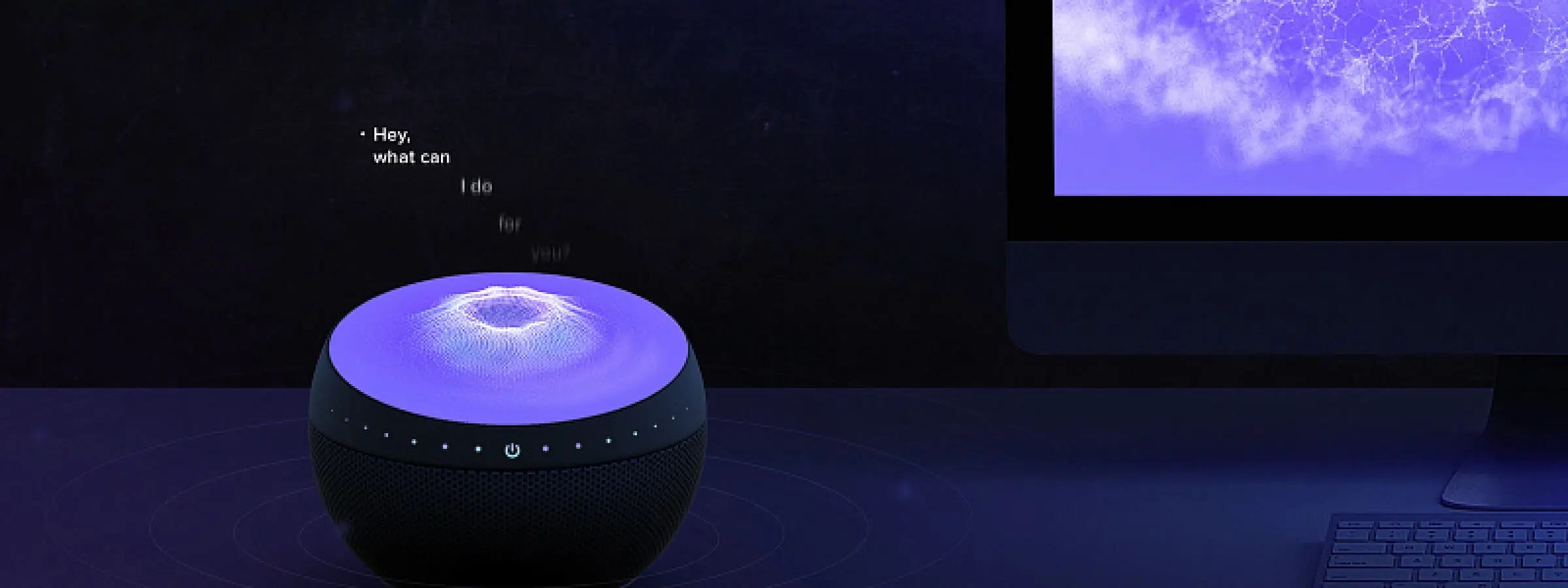
The voice user interface has gained popularity at a breakneck pace, largely thanks to the rise of voice assistants and speech recognition. This groundbreaking trend allows users to interact with devices and applications using their voice as the primary means of communication. In this section, we will explore in detail the world of the voice user interface, its origins and its impact on the way we interact with technology.
PUTTING THE TREND IN CONTEXT
The emergence of the voice user interface is directly linked to the growing demand for voice assistants such as Siri, Alexa and Google Assistant. These assistants, powered by advances in speech recognition and natural language processing, have paved the way for a new era of voice-based human-machine interaction. Users can now ask questions, give commands and receive answers, all by simply using their voice.
HOW VOICE ASSISTANTS AND VOICE INTERFACES ARE CHANGING THE GAME
Voice interfaces are revolutionizing the way we interact with technology. They allow users to communicate naturally, as if they were speaking to a human being. This approach opens up vast possibilities for interaction across a wide range of fields, from home automation to in-car driving assistance. Users can get information, control devices, write messages and much more, simply by using their voice. This development has also helped make digital technologies more accessible for people with motor impairments.
DESIGN CHALLENGES AND BEST PRACTICES
Designing for the voice user interface presents unique challenges. Managing verbal feedback, understanding user intent and creating a seamless experience are all essential aspects to consider. Designers must strive to create intuitive voice interactions that can understand complex commands and provide relevant responses. Design best practices include simplifying voice interactions, accounting for regional accents and dialects, as well as giving users the ability to go back in case of an error.
EXAMPLES OF COMPANIES INTEGRATING THE VOICE USER INTERFACE
Many leading companies have adopted the voice user interface to improve the user experience. Amazon, through Alexa, has revolutionized home automation by allowing users to control their homes using voice commands. Apple has integrated Siri into its devices, offering users a versatile voice assistant. Microsoft developed Cortana to provide voice assistance across its products and services. These companies demonstrate how the voice user interface is transforming our daily interaction with technology, offering a more intuitive and personalized experience.
Conclusion
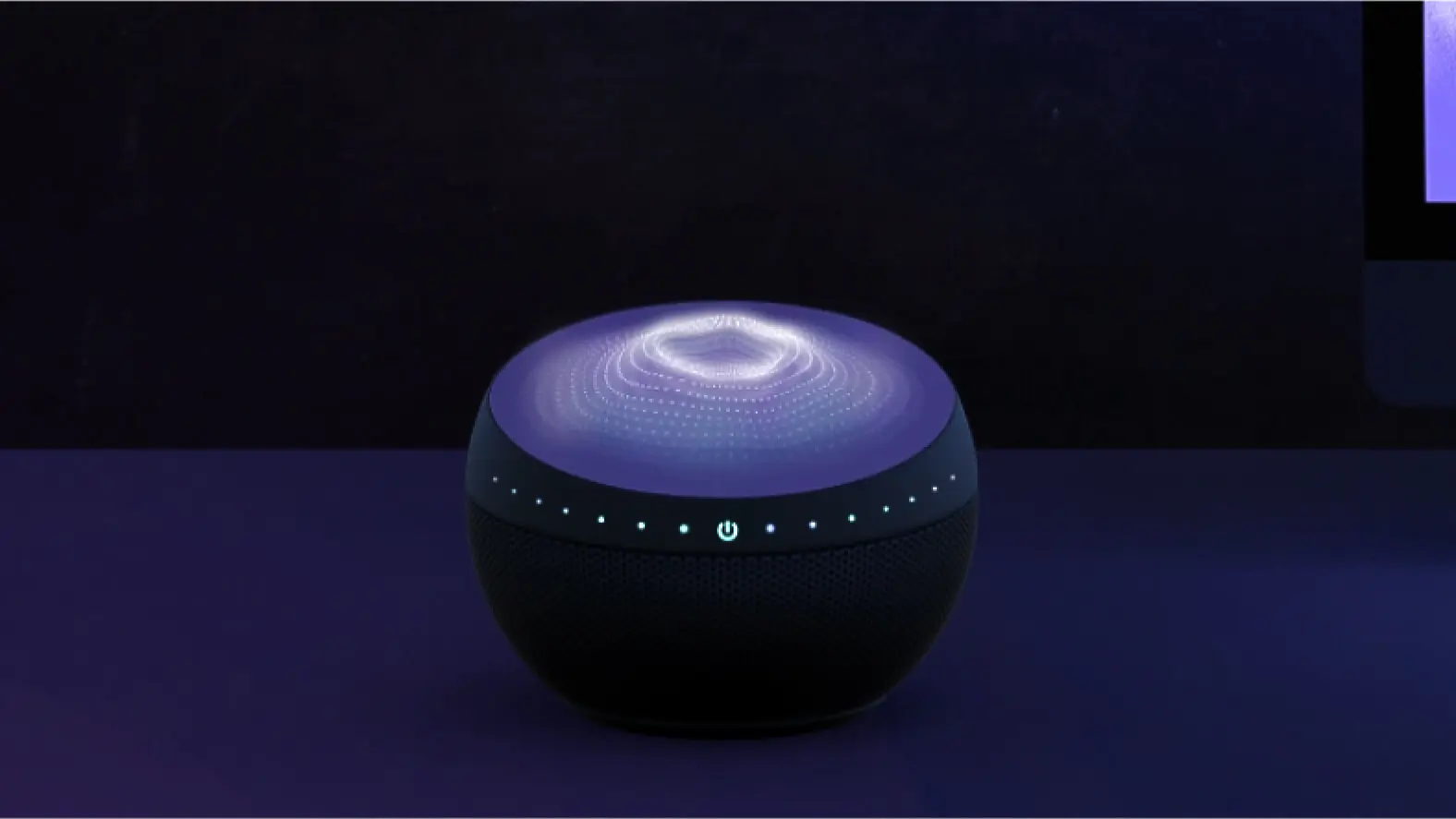
The voice user interface has emerged as a technological revolution in the field of interface design. This trend, fueled by the rise of voice assistants and speech recognition, offers a new, natural and immersive way to interact with technology. By simplifying access to information and improving accessibility, it opens doors to a future where voice becomes the primary means of communication with our digital devices.
However, this evolution is not without its design challenges, requiring a deep understanding of verbal feedback management and best practices to ensure a seamless user experience. With tech giants such as Amazon, Apple and Microsoft actively integrating this technology, the voice user interface continues to shape our daily interactions with technology and promises a future where voice is at the heart of our digital experience.